WR Concrete logo
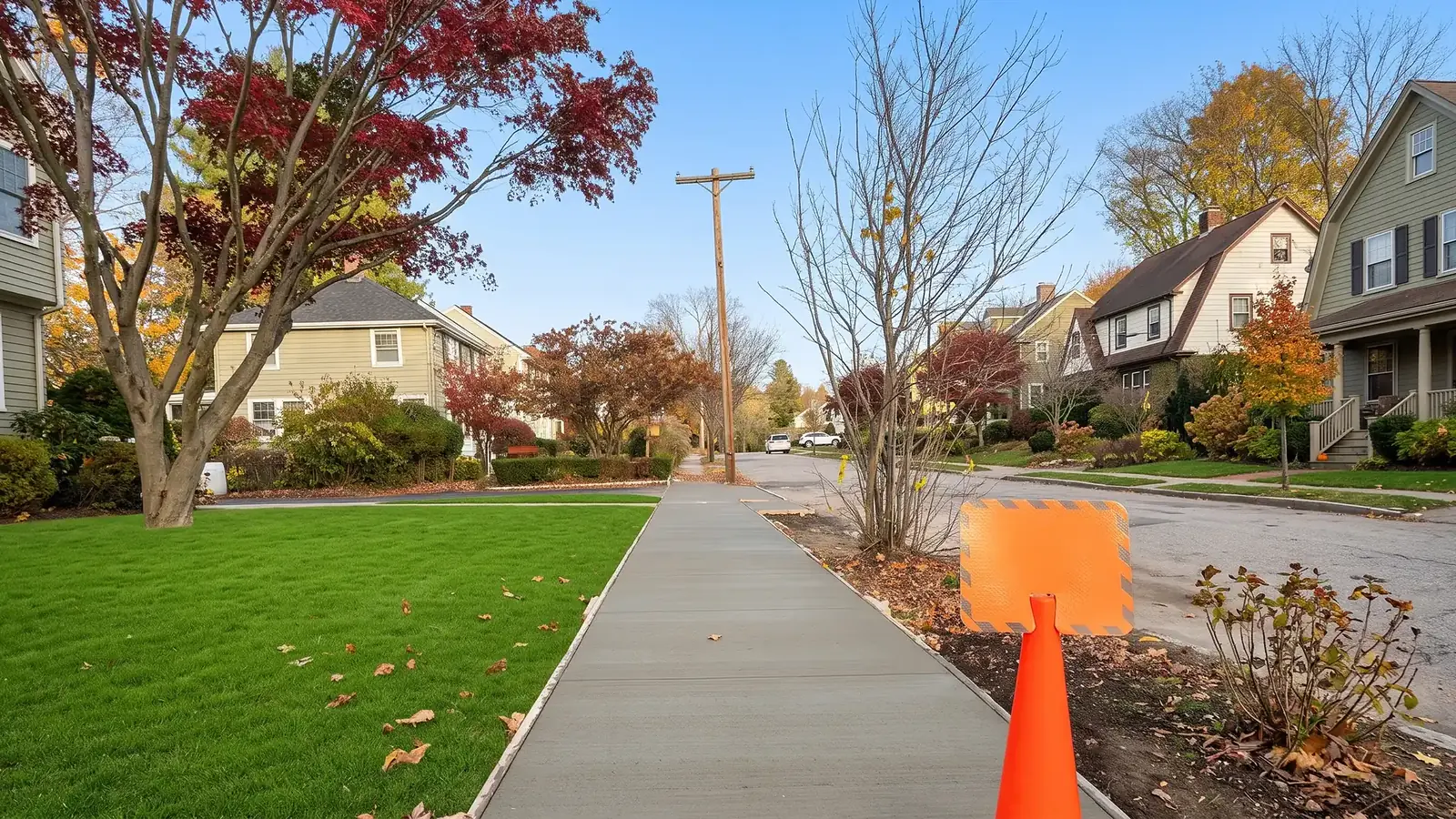
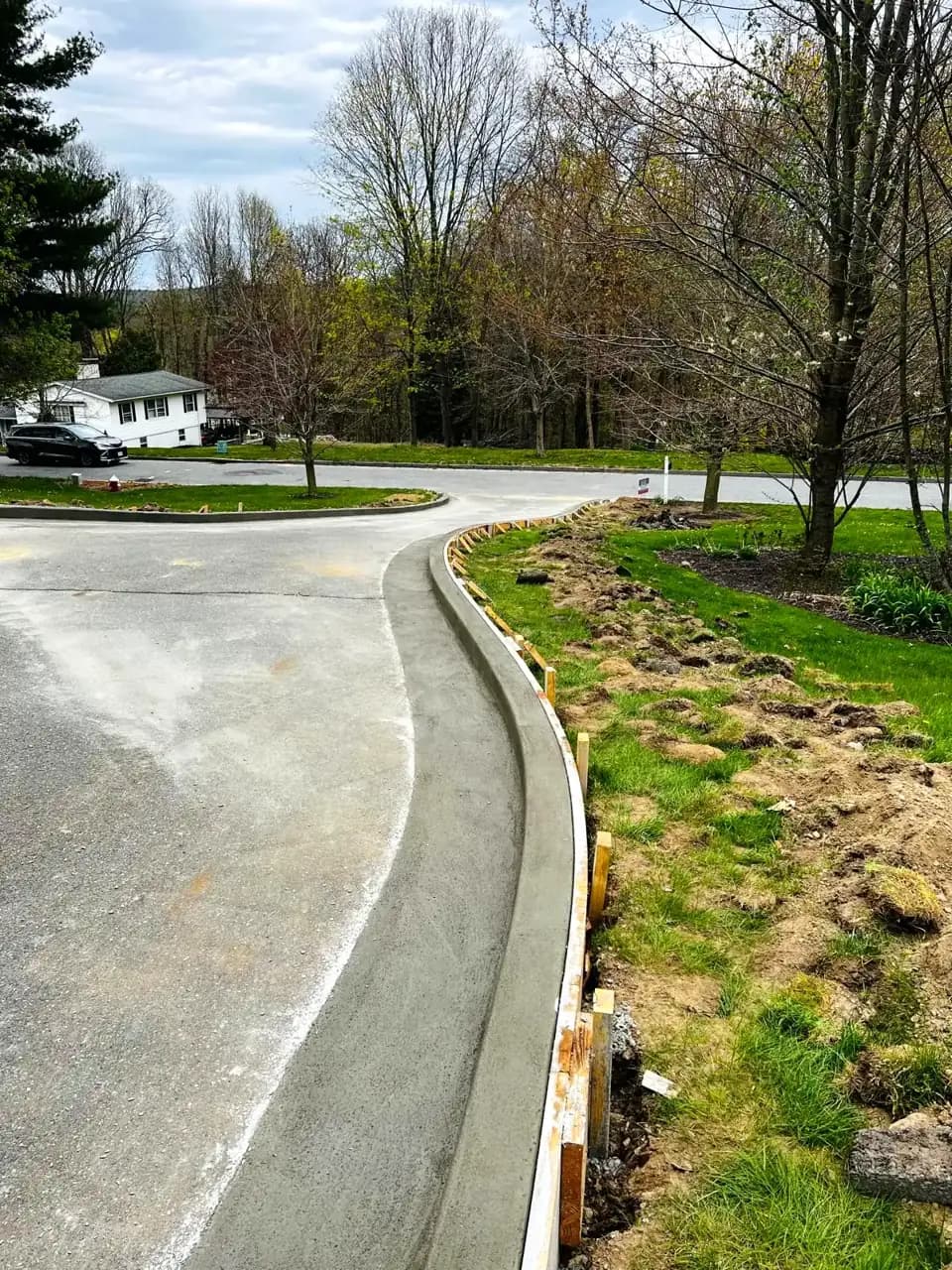
Freshly poured concrete walkway during outdoor installation, the same forming and finish work WR Concrete brings to steps and landings

Concrete Steps & Stairs · Massachusetts

Concrete Steps and Stairs Poured Solid, Not Just Patched

Front steps, back steps and landings poured on proper footings, with rise and run that matches code and a finish that stays safe in snow.

The short answer

Who pours concrete steps and stairs in Massachusetts?

WR Concrete pours and replaces concrete steps, stairs and landings for homeowners across Massachusetts, based in Marlborough. Steps are built on proper footings below frost depth, with consistent rise and run and a slip-resistant finish, and every project starts with a free estimate before any work begins.
  • Fully insured: general liability and workers' compensation
  • Free estimates on front steps, back steps and landings
  • Step footings go below frost depth so steps don't heave or separate from the house
  • Based in Marlborough, MA, serving homeowners statewide

Concrete Steps & Stairs

Concrete Steps & Stairs built to last in New England

Concrete steps take a particular kind of abuse: every footstep lands on the edge of a tread, every winter brings snow shoveled off them and salt tracked across them, and if the footing underneath isn't set below frost depth, the whole staircase can start pulling away from the house a little more each year. WR Concrete pours and replaces front steps, back steps and landings across Massachusetts with that in mind from the footing up.

A common problem on older homes is steps that were poured on a shallow footing, or no real footing at all, which heave or settle separately from the house they're attached to. That shows up as a gap opening up where the steps meet the foundation, or a step that's gradually gone out of level. Fixing that right means a new footing set to the correct depth, not another patch poured over the same weak base.

What is included

  • New concrete front steps and back steps
  • Concrete landings and stoops
  • Replacement of heaved, cracked or separated steps
  • Footings set below frost depth for long-term stability
  • Consistent rise and run across every step for safety
  • Broom or slip-resistant finish for winter traction
  • Tie-in work where steps meet an existing walkway or foundation
(774) 606-6807

Square forms, clean edges, a careful finish and a job site left clean.

Why steps need a real footing, not just a thick slab

Steps attached to a house carry weight right at the transition point between the ground and the structure, and if they're poured without a proper footing below frost depth, the ground underneath will heave and settle every year while the house itself doesn't move. That mismatch is exactly what causes steps to pull away from a foundation, crack at the point where they meet the house, or tilt out of level over a few winters.

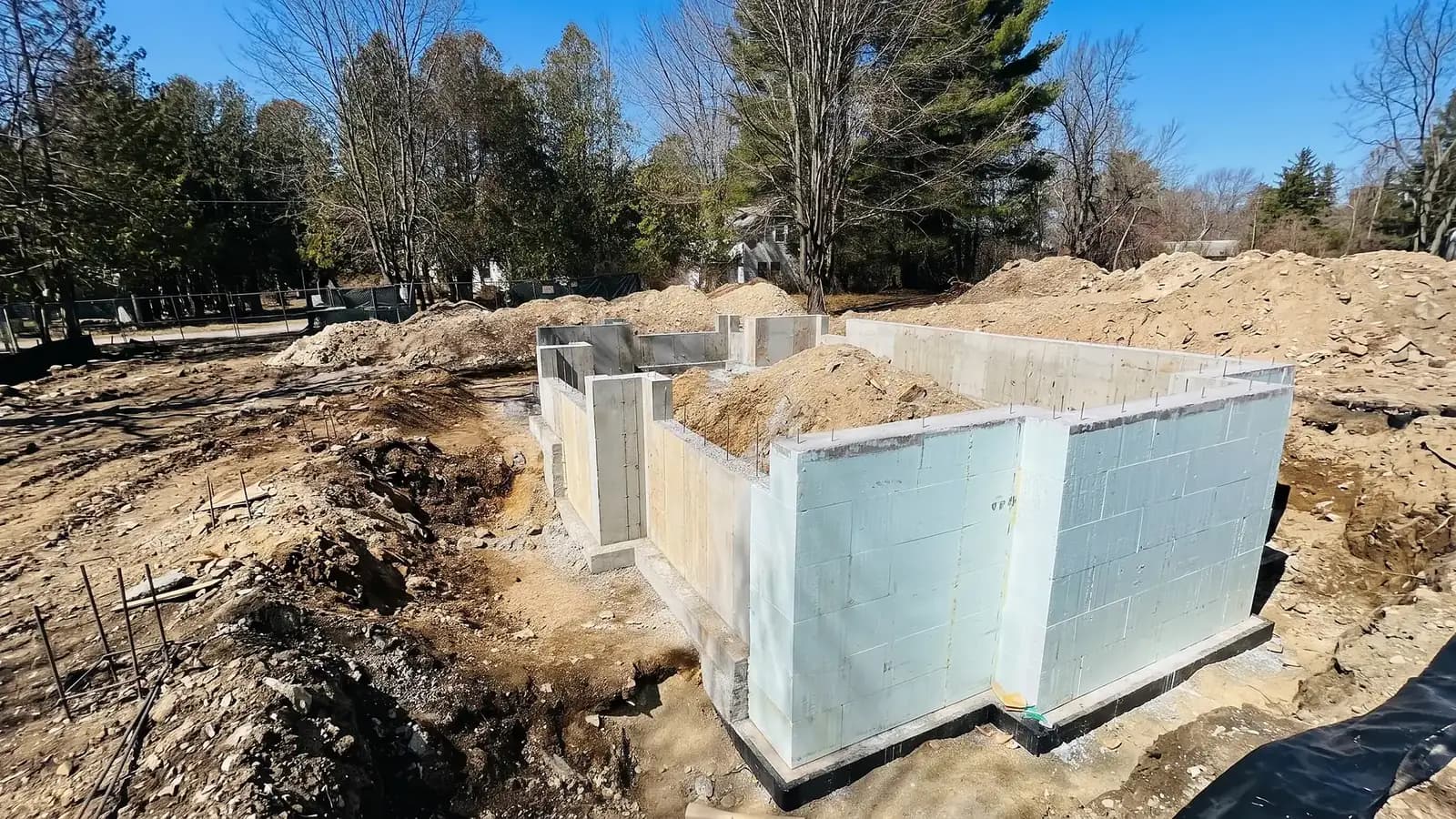
A proper concrete step installation starts with a footing excavated to the same frost-depth standard as a foundation footing, typically around 4 feet in Massachusetts, though the exact depth depends on the town. That footing gives the steps something stable to sit on that moves with the same frost cycle as the house, instead of against it.

Rise, run and why consistency matters more than looks

Every step in a run needs the same rise, the vertical height, and the same run, the depth of the tread, as every other step in that run. Even a half-inch difference between one step and the next is enough to trip someone who isn't expecting it, since the body learns the rhythm of a staircase after the first step or two and doesn't adjust for a sudden change.

This matters just as much on a quick two-step stoop as it does on a full staircase, and it's one of the details that's easy to get wrong when steps are patched or rebuilt piecemeal over the years instead of poured as one consistent unit from the start.

Finish and winter safety on exterior steps

Exterior steps need a finish with real texture, not a smooth trowel finish that looks clean but turns slick the moment it's wet or has a skim of frost on it. A broom or similarly textured finish gives steps enough grip to stay safer under boots, especially on the edge of each tread where most of the weight lands during a step.

Massachusetts steps also take a season of shoveling and salt, so the concrete mix and finish need to hold up to that, not just look good the day they're poured. Keeping new steps off de-icing salt through the first winter while the concrete fully cures helps protect that finish long term, same as any other new exterior pour.

How it works

Our concrete steps & stairs process

01

Free Estimate and Project Review

The free estimate covers the existing steps or the space where new steps are needed, including any separation or heaving issues, and talks through footing depth and design before pricing the job.

02

Excavate Footings and Form the Steps

Footings are excavated below frost depth, and forms are built to the exact rise and run needed so every step comes out consistent.

03

Pour and Finish

Concrete is placed and finished with a textured surface for traction, with clean, square edges on every tread.

04

Cure, Cleanup and Walkthrough

Steps cure before regular use, the site is cleaned up, and the crew walks the finished steps with the homeowner to confirm the tie-in at the house and the walkway.

Real WR Concrete work

Concrete Steps & Stairs from our job sites

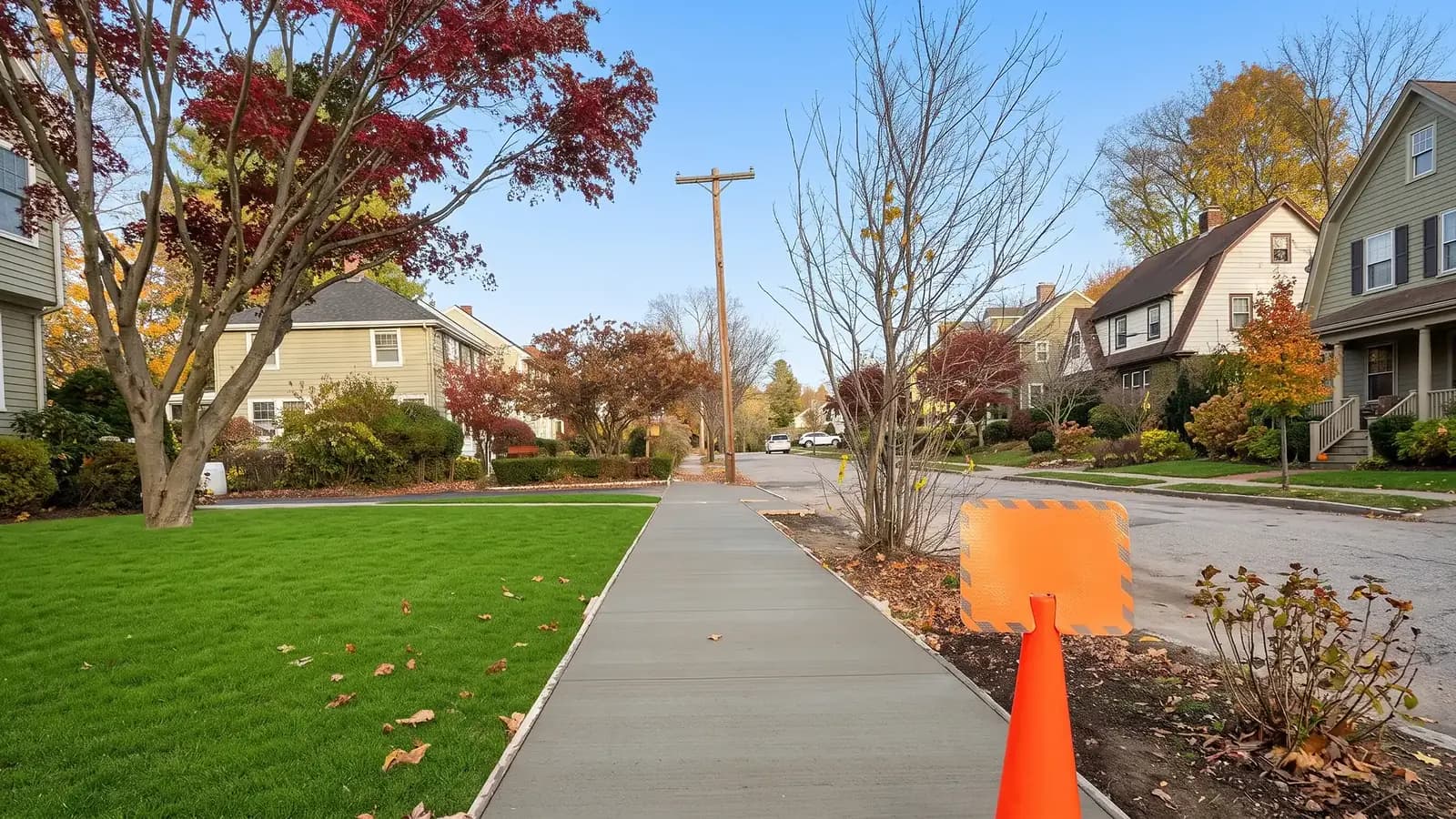
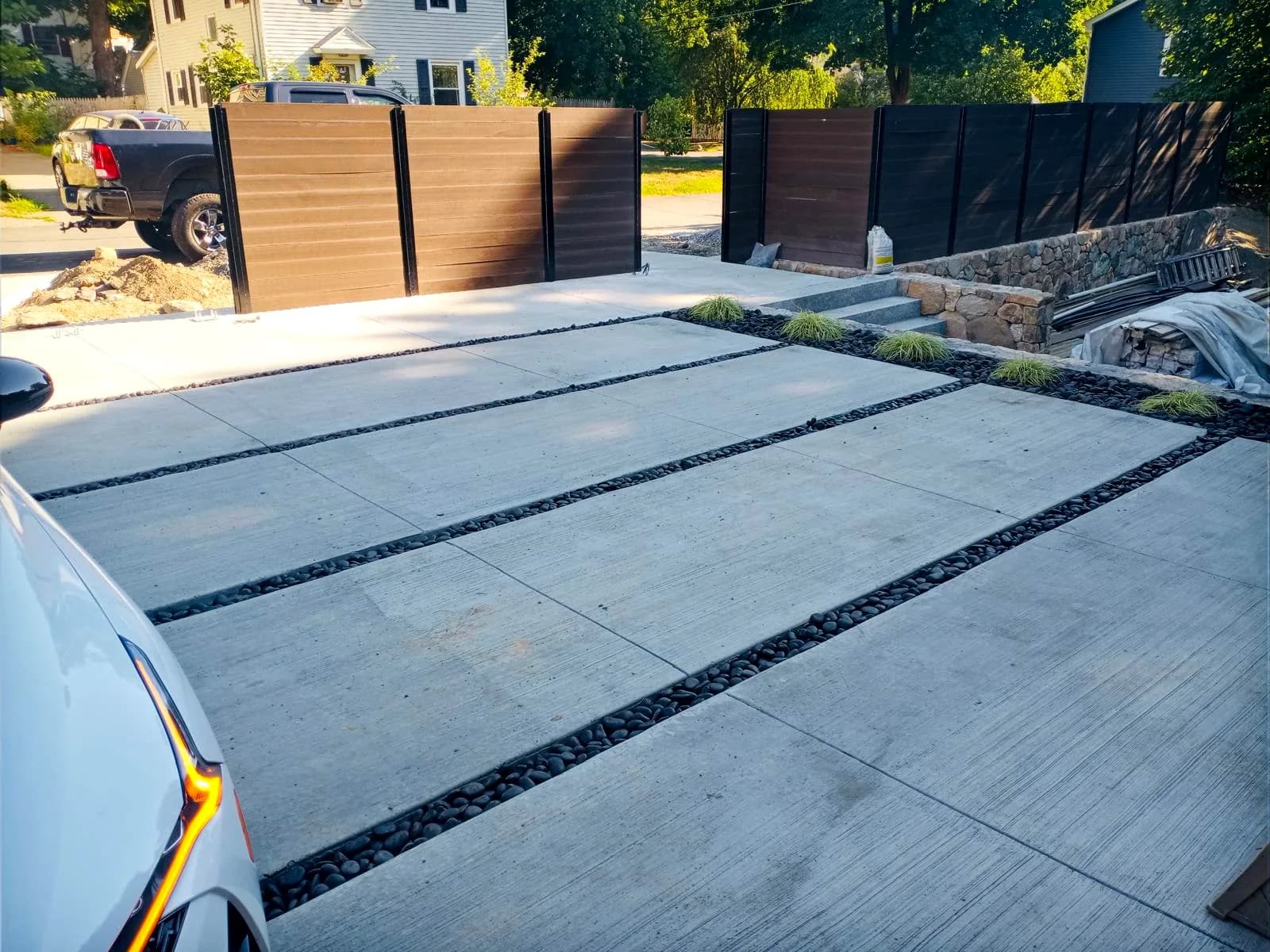
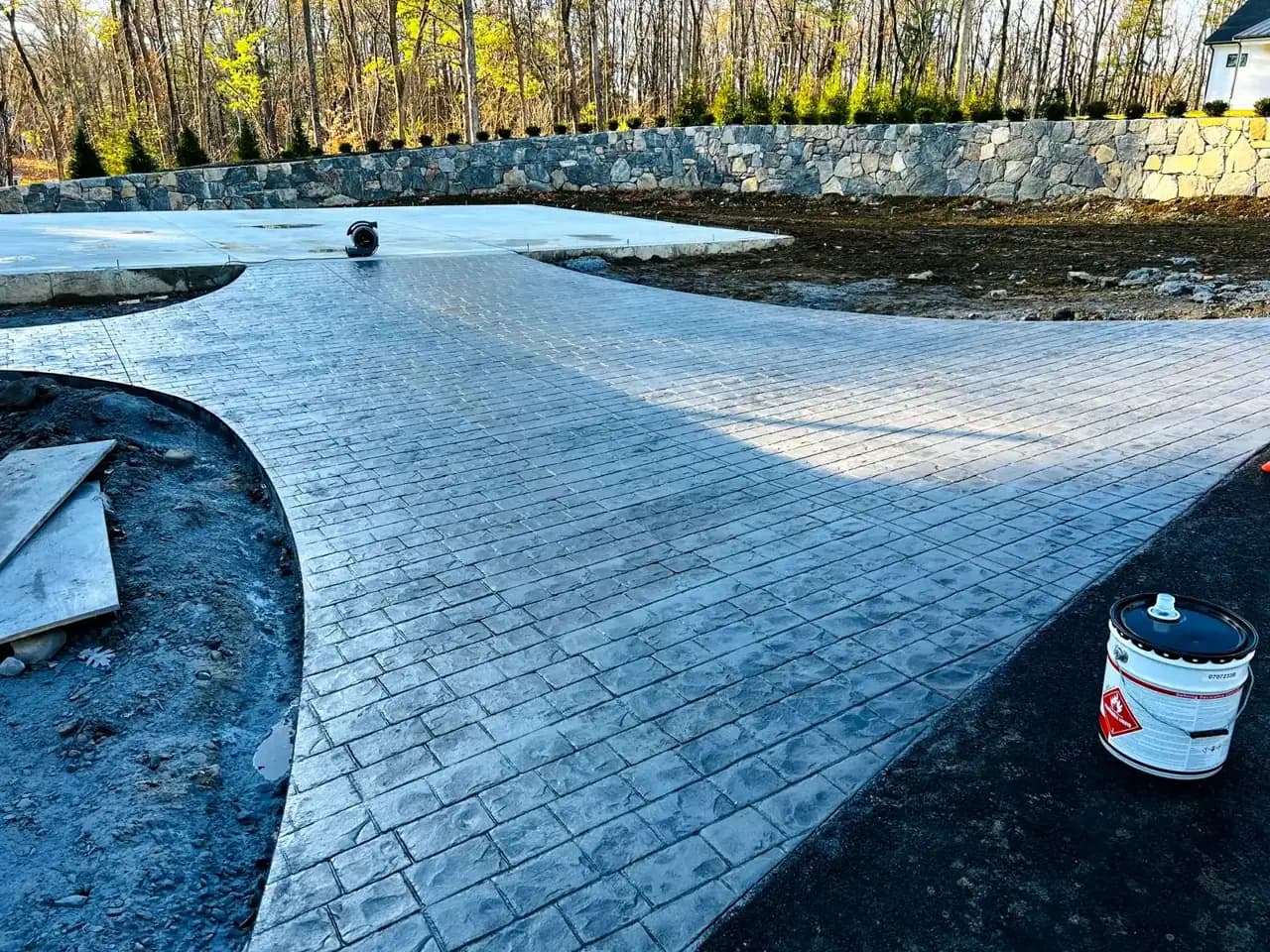
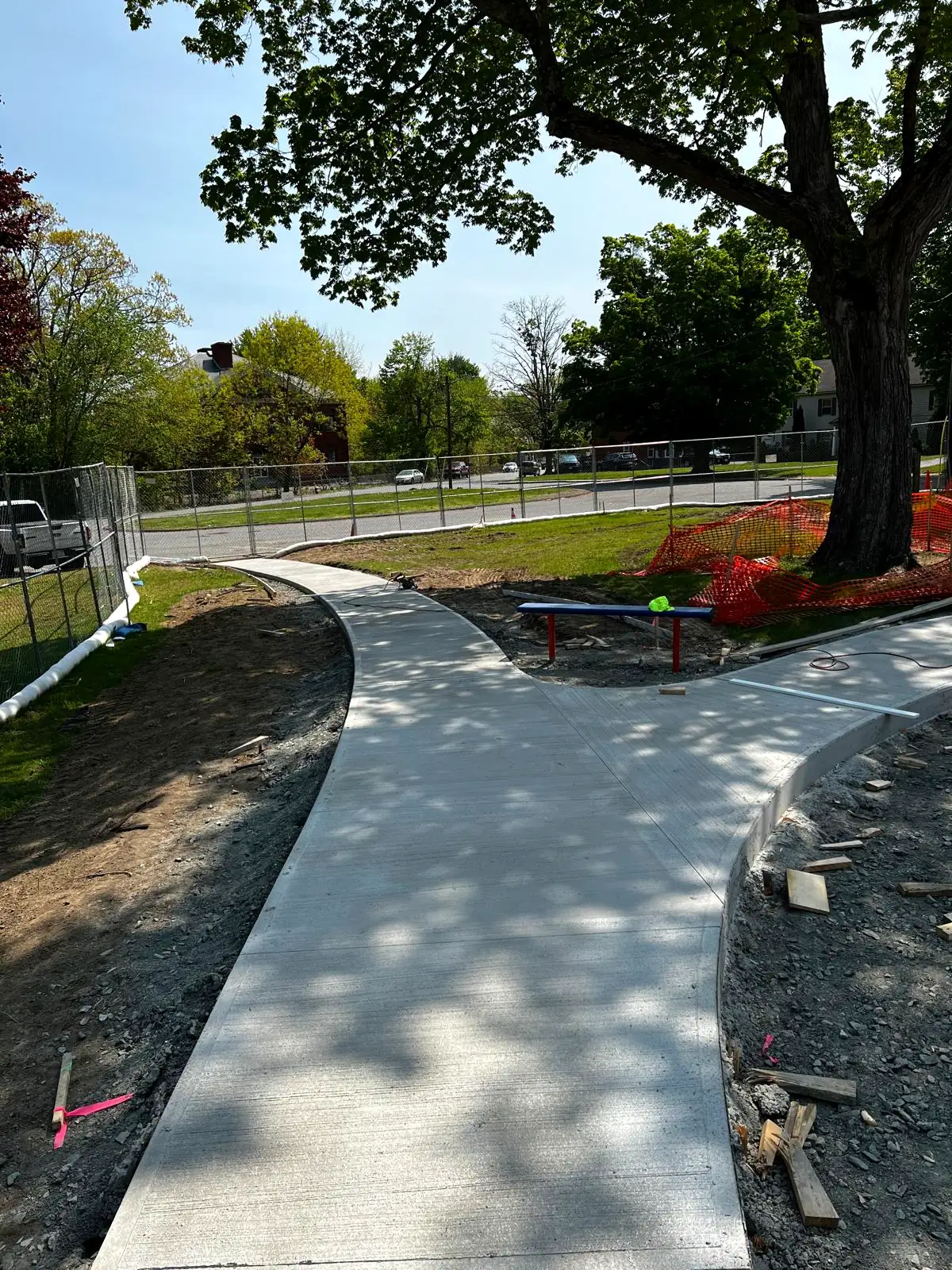
Freshly poured concrete sidewalk project, similar base and finish work used on step and landing projects

Concrete Steps & Stairs: common questions

This usually happens when the steps were originally poured without a footing set below frost depth, so the ground under the steps heaves and settles each year while the house foundation, sitting on a deeper footing, doesn't move the same way. Fixing it right means rebuilding the steps on a proper frost-depth footing, not patching the gap.
Step footings generally need to go below the local frost depth, which runs around 4 feet in much of Massachusetts, though the exact requirement depends on the town. Permit requirements vary by town, and this gets confirmed during the free estimate before any excavation starts.
Yes. Uneven steps, where the rise or run isn't consistent step to step, usually need to be rebuilt rather than patched, since the inconsistency is a safety issue. WR Concrete forms new steps to a consistent rise and run from a stable footing so the finished staircase feels right underfoot.
Cost depends on the number of steps, whether a new footing needs to be excavated, and whether a landing is included. Most homeowners see a range depending on these factors, since every set of steps and every foundation tie-in is a little different. WR Concrete provides a free estimate based on the details of your project.
A broom or similarly textured finish gives steps more grip than a smooth troweled surface, which helps with safety once snow, frost or rain gets on them. This finish choice is standard on exterior steps for exactly that reason.

Service areas

Concrete Steps & Stairs across Massachusetts

Based in Marlborough. Choose your town for local details.