WR Concrete logo
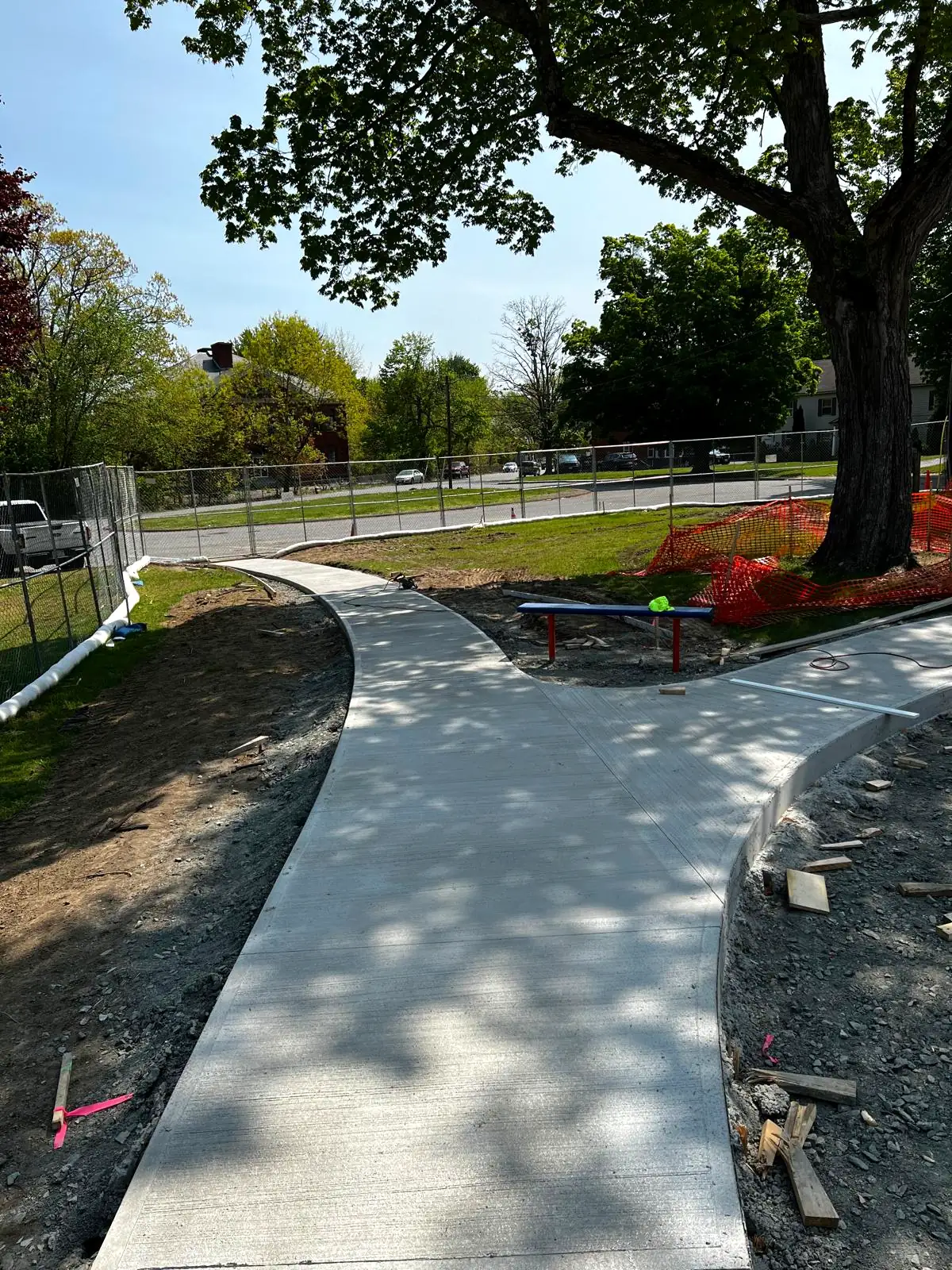
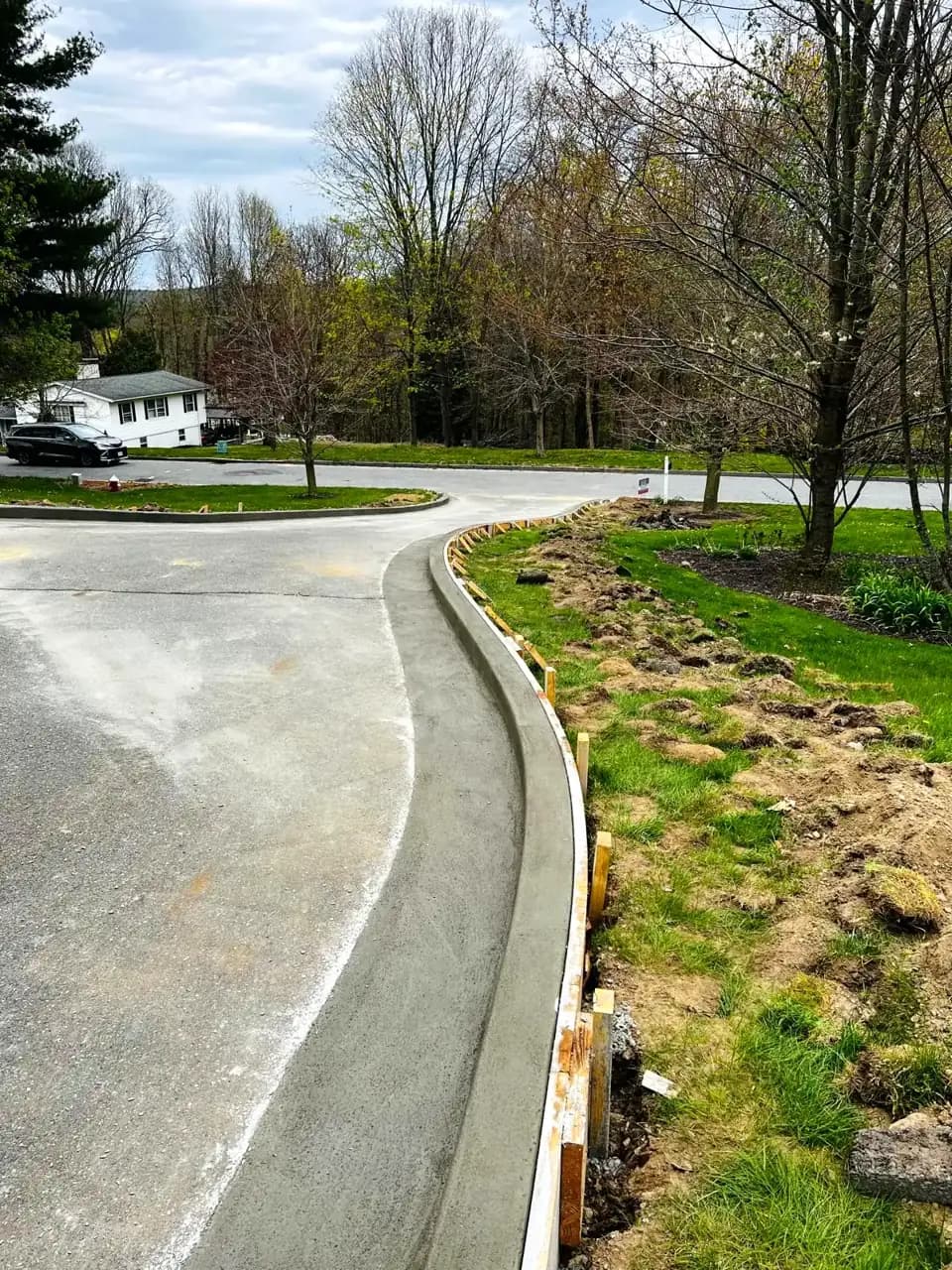
Freshly poured concrete sidewalk during an installation project

Sidewalks & Walkways · Massachusetts

Concrete Sidewalks and Walkways Poured Level and Safe

Sidewalks and walkways poured level, graded to shed water, and finished to stay safe underfoot through a Massachusetts winter.

The short answer

Who pours concrete sidewalks and walkways in Massachusetts?

WR Concrete pours and replaces concrete sidewalks and walkways for homeowners across Massachusetts, based in Marlborough. The crew handles everything from a single cracked section to a full walkway replacement, with proper base prep underneath every pour, and every project starts with a free estimate.
  • Fully insured: general liability and workers' compensation
  • Free estimates on sidewalk and walkway projects of any size
  • A broom finish is standard for safe footing in wet or icy conditions
  • Based in Marlborough, MA, serving homeowners statewide

Sidewalks & Walkways

Sidewalks & Walkways built to last in New England

A walkway doesn't get much credit when it's done right, it just works, staying flat and even every time someone walks across it. It gets plenty of attention when it's done wrong: a lifted slab catching a toe, a low spot holding water that turns to ice in January, or a crack that keeps growing every winter. WR Concrete pours and replaces concrete sidewalks and walkways across Massachusetts with the base work and the finish both built to avoid those problems.

A lot of walkway work isn't a brand-new path through the yard, it's replacing sections of an older sidewalk that have settled, heaved or cracked over the years, often from tree roots, poor original base prep, or just decades of freeze-thaw cycles. Whether it's a full new walkway from the driveway to the front door or a single bad section that needs to come out, the approach is the same: fix what's underneath, then pour it right.

What is included

  • New concrete walkways and sidewalks
  • Replacement of cracked, heaved or settled walkway sections
  • Entry walkways connecting driveways, porches and front doors
  • Base excavation and compaction before any concrete is placed
  • Broom finish for slip resistance in wet and icy conditions
  • Control joint layout to manage cracking
  • Grading to shed water off the walking surface
(774) 606-6807

Square forms, clean edges, a careful finish and a job site left clean.

Why old sidewalks heave and crack in the first place

Most sidewalk and walkway failures trace back to what's underneath, not the concrete itself. Tree roots pushing up from below, a base that was never properly compacted when the original walkway went in, or water collecting under the slab and expanding when it freezes can all lift or crack a section of concrete that otherwise looks fine on top. Patching the surface without addressing what's happening underneath usually means the same spot fails again within a season or two.

When WR Concrete replaces a section of sidewalk, the broken concrete comes out, the base underneath gets checked and corrected, whether that means removing root intrusion, adding proper compactable fill, or improving drainage, and then the new section gets poured so it ties in level with the walkway on either side of it.

Slope, drainage and keeping walkways safe in winter

A walkway needs a subtle slope, enough to shed rainwater off the surface without being noticeable or uncomfortable to walk on, so water doesn't sit and refreeze into ice. Low spots in an older or poorly built walkway are exactly where ice forms first on a cold morning, and they're one of the more common injury risks around a Massachusetts home in winter.

A standard broom finish gives walkways enough surface texture to stay safer underfoot when wet or lightly icy, compared to a smoother trowel finish that can get slick. Getting the slope and finish right during the pour matters more for a walkway's long-term safety than almost anything added afterward.

Control joints and tying new concrete into old

Control joints get placed at regular intervals along a walkway so that as the concrete shrinks slightly while curing, cracking happens at those joints instead of randomly along the path. This matters even more on a walkway than other pours because a crack running across a narrow walking surface is both more visible and more likely to become a trip hazard over time.

When a new section ties into an existing walkway that isn't being fully replaced, getting the height and slope to match cleanly at the seam takes careful grading. A mismatched transition between old and new concrete is a common complaint on partial walkway repairs that weren't planned out before the pour.

How it works

Our sidewalks & walkways process

01

Free Estimate and Project Review

The free estimate covers what's causing any existing cracking or heaving, based on the details you share, and talks through whether it's a full replacement or a targeted section repair.

02

Remove, Excavate and Prep the Base

Damaged concrete is removed, the base underneath is corrected, whether that's root removal, better fill or drainage improvement, and compacted properly before forms go in.

03

Pour and Finish

Concrete is placed with the right slope for drainage, control joints laid out, and a broom finish applied for safe footing.

04

Cure, Cleanup and Walkthrough

The new walkway cures before regular foot traffic, the site is cleaned up, and the crew walks the finished path with the homeowner to confirm it ties in level and clean.

Real WR Concrete work

Sidewalks & Walkways from our job sites

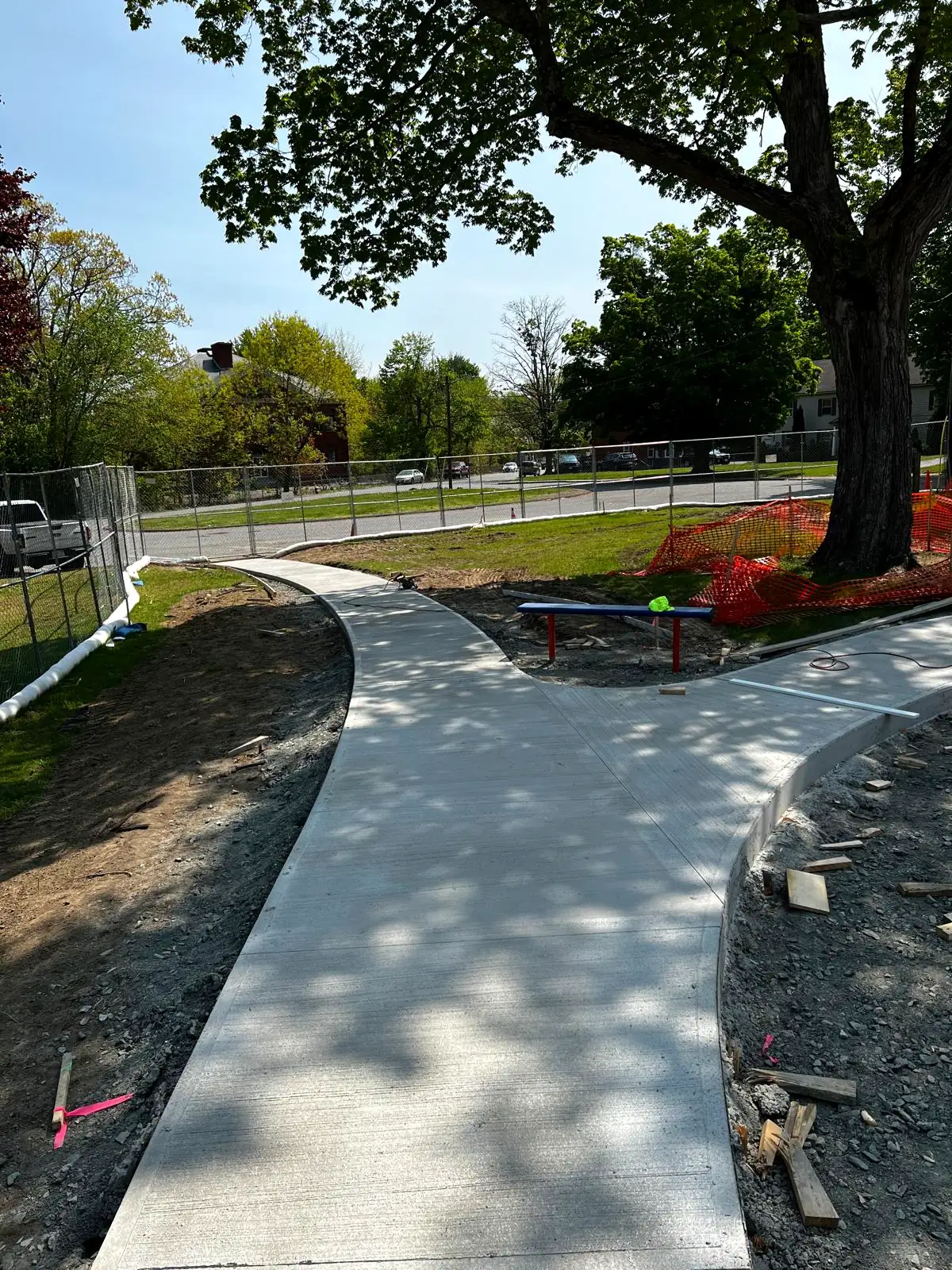
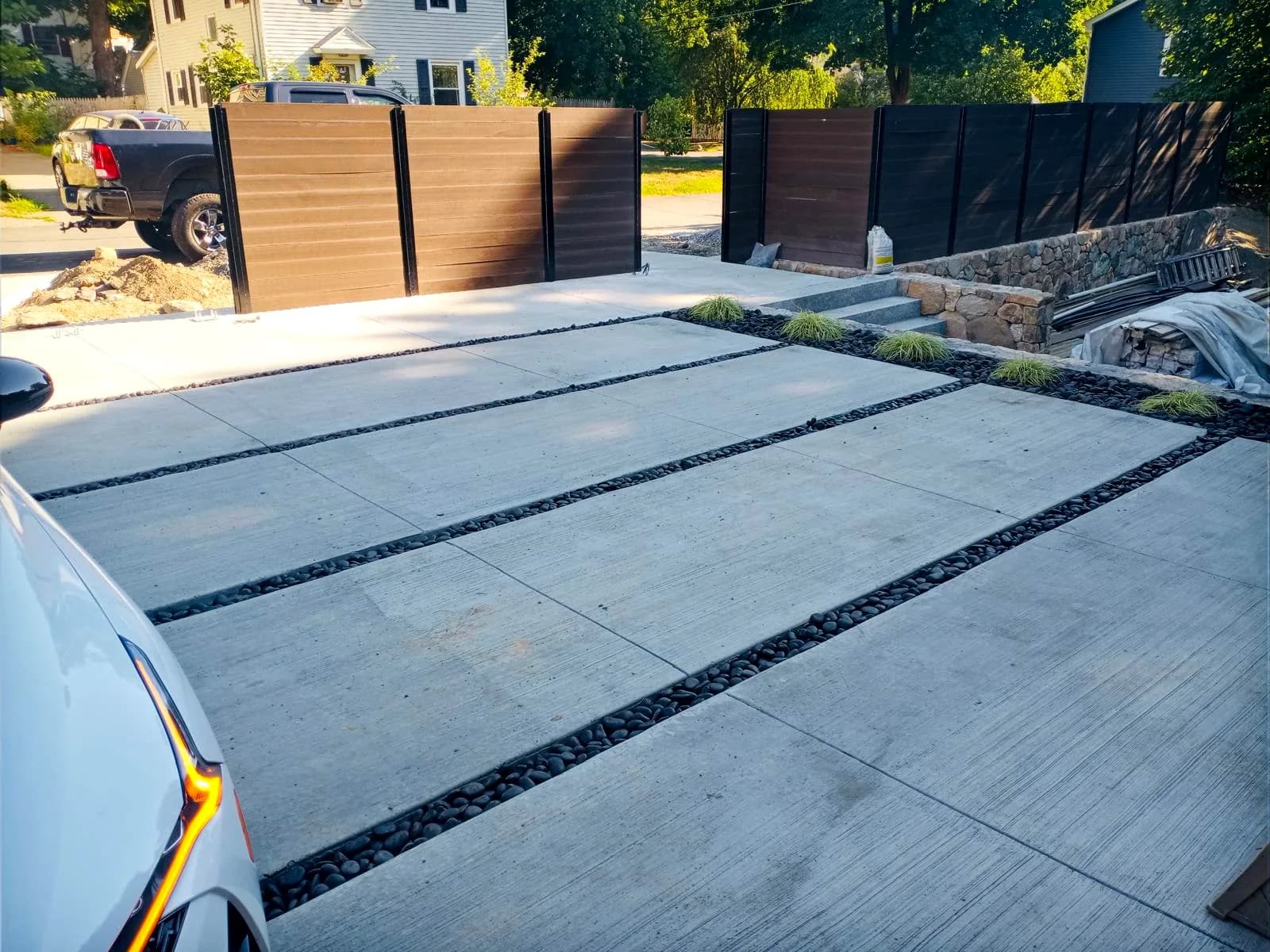
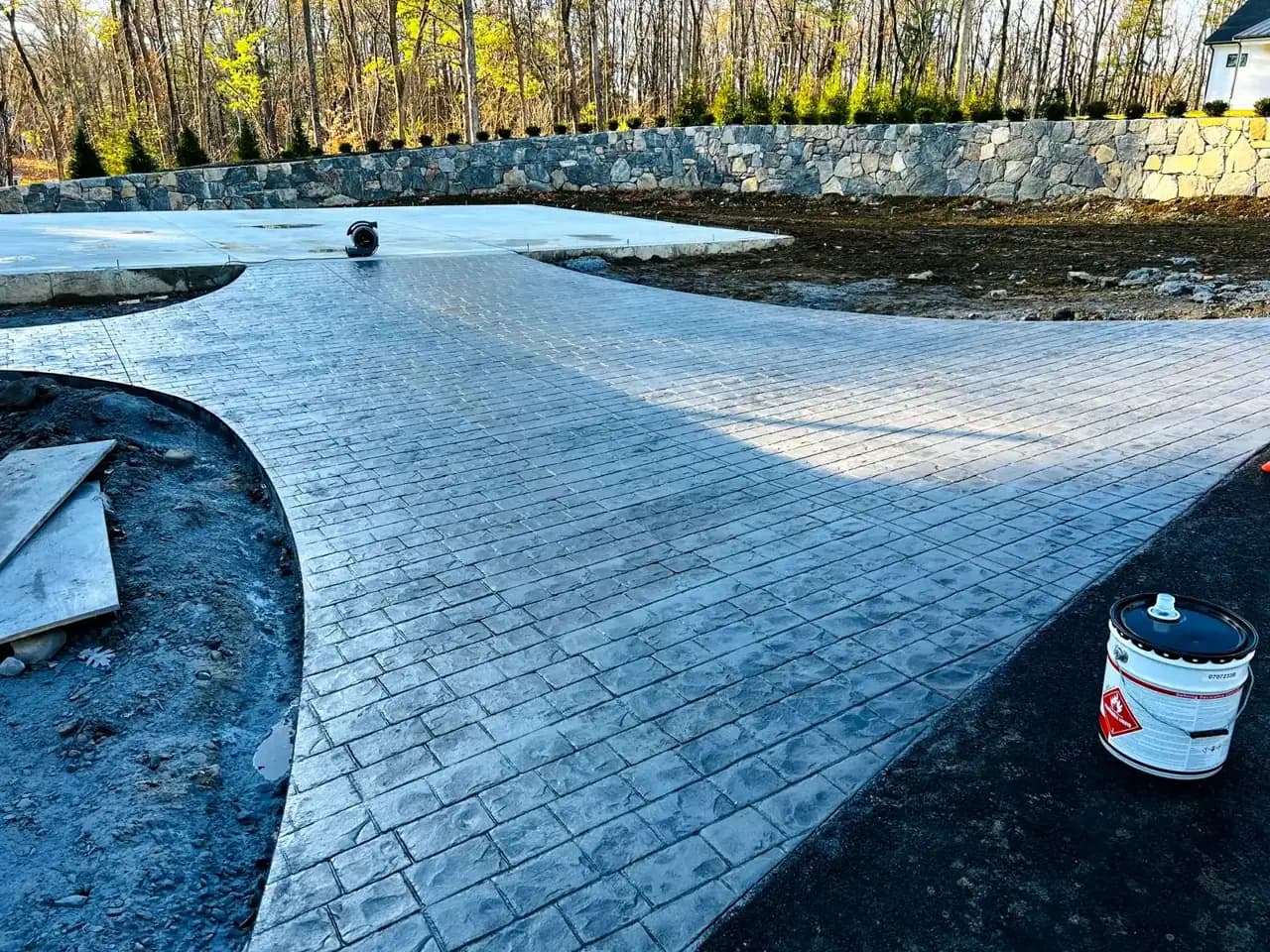
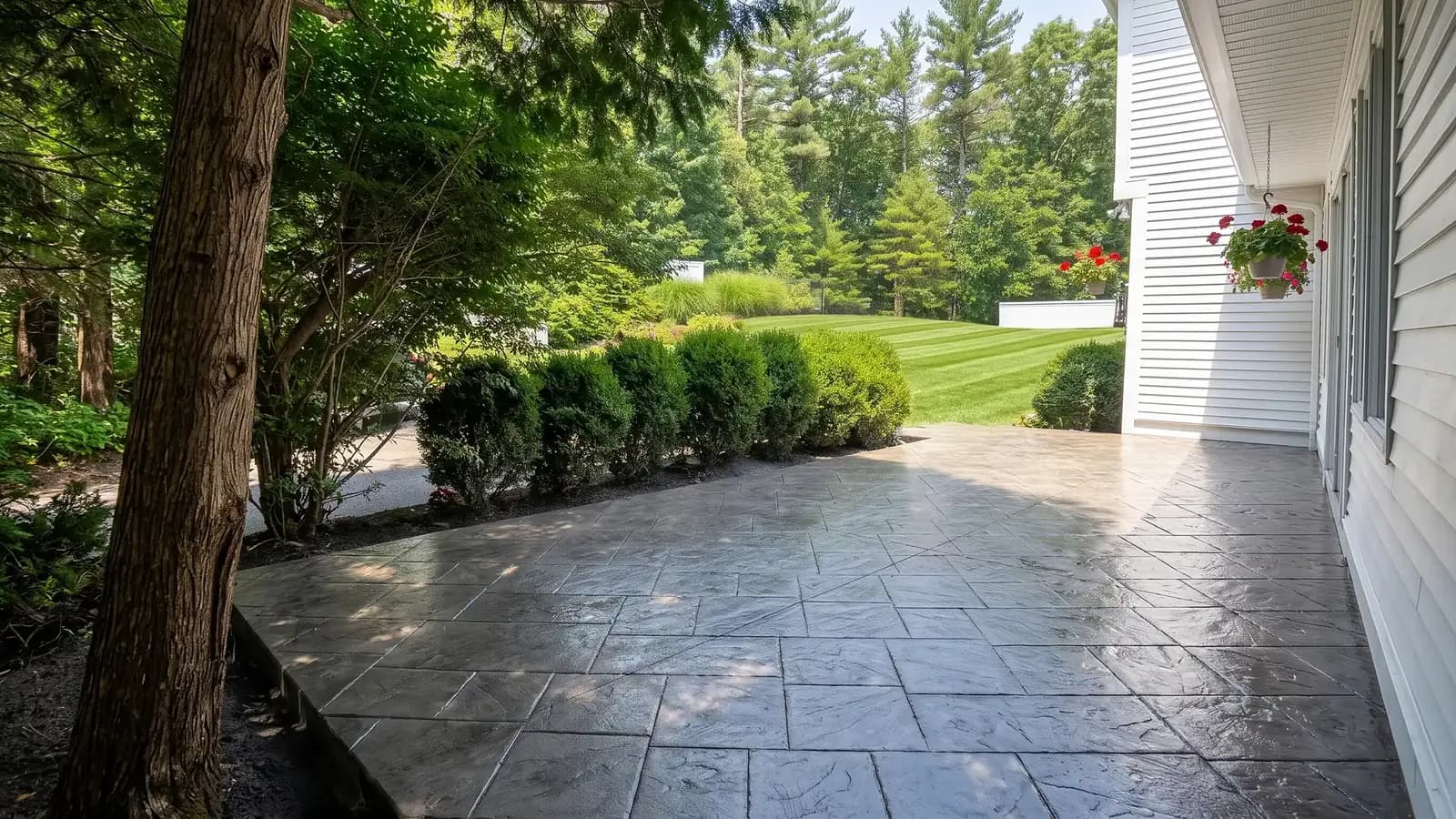
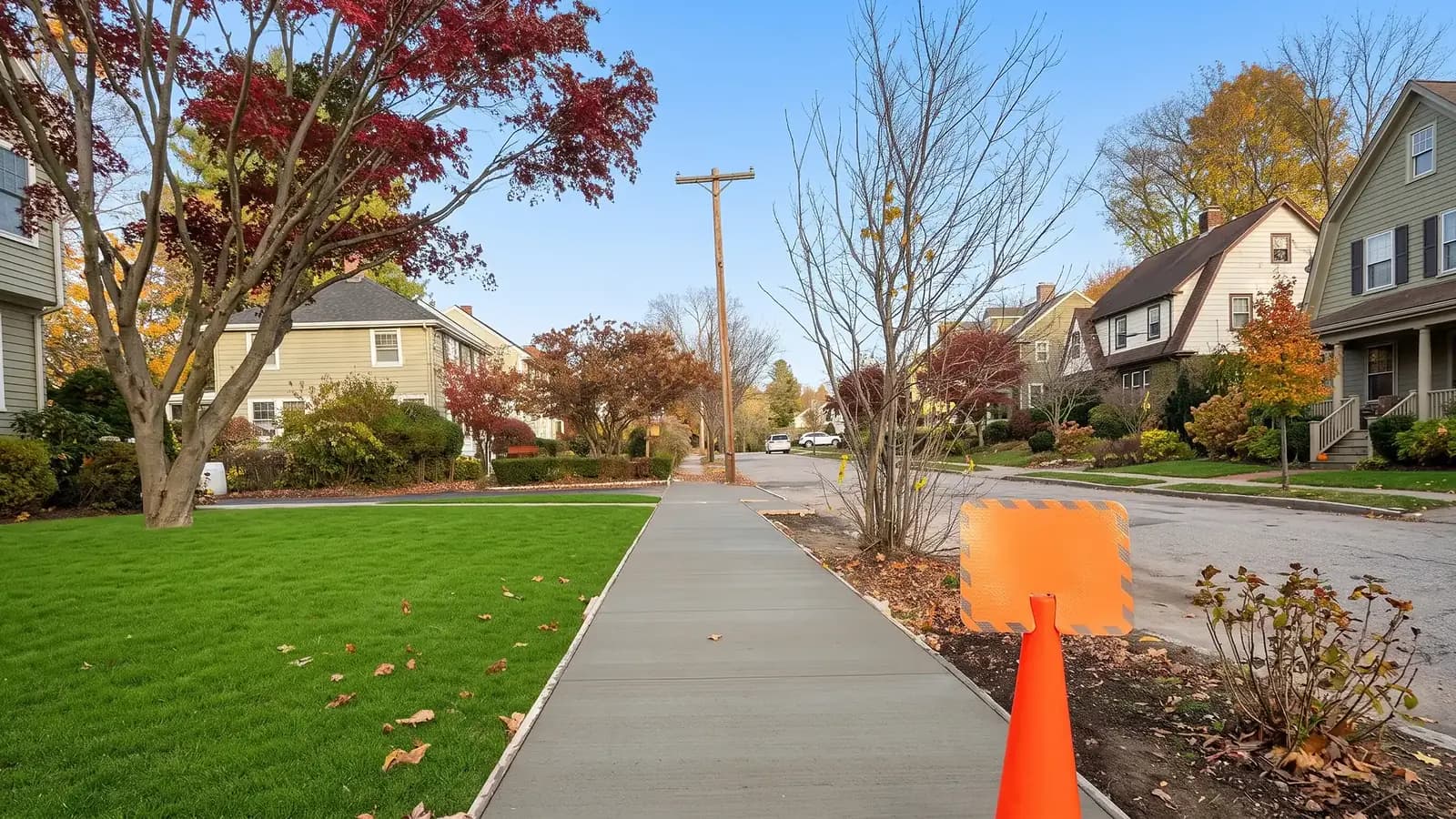
Newly poured concrete walkway path during outdoor installation

Sidewalks & Walkways: common questions

Repeated cracking in the same spot usually points to something underneath the slab, like a tree root, poor original base compaction, or water collecting and freezing under that section. Replacing just the surface without fixing what's underneath tends to bring the same crack back within a season or two.
Yes. A lot of walkway work is targeted section replacement rather than a full tear-out. The key is fixing whatever caused that section to fail and grading the new concrete to tie in level and smooth with the sections staying in place.
Cost depends on the length and width of the walkway, how much base repair is needed, and whether it's a full replacement or a section repair. Most homeowners see a range depending on these factors. WR Concrete gives a free estimate based on the details of the walkway and what's causing any existing damage.
A broom finish adds texture that helps keep footing safer when the surface is wet, icy or covered in a light dusting of snow. A smoother, troweled finish looks clean but can get noticeably more slick in exactly the conditions where a walkway sees the most use.
Yes. Every walkway gets a subtle slope built in during the pour so rainwater sheds off the surface instead of collecting in low spots, which is especially important in Massachusetts where standing water turns to ice in winter.

Service areas

Sidewalks & Walkways across Massachusetts

Based in Marlborough. Choose your town for local details.