WR Concrete logo
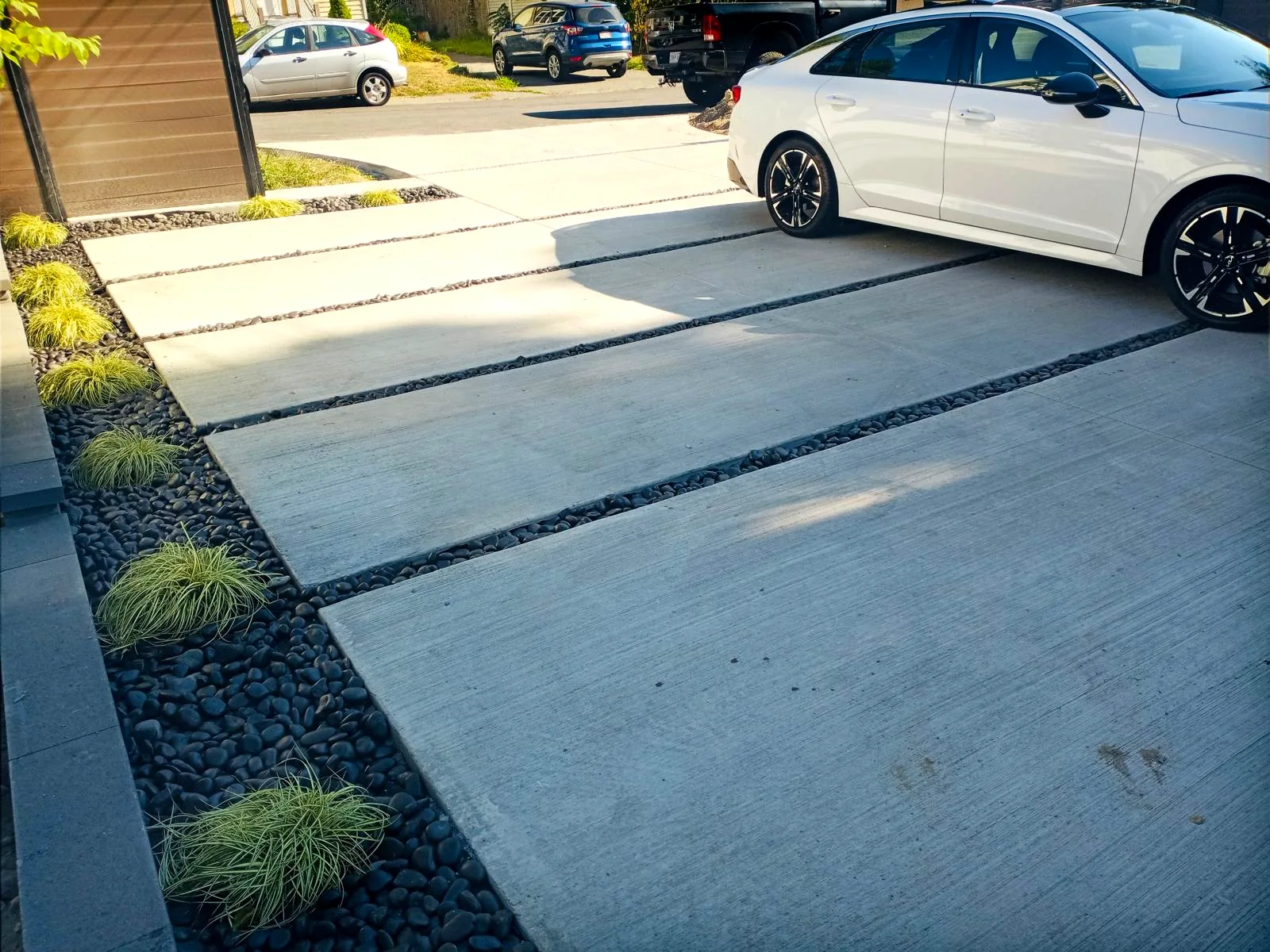
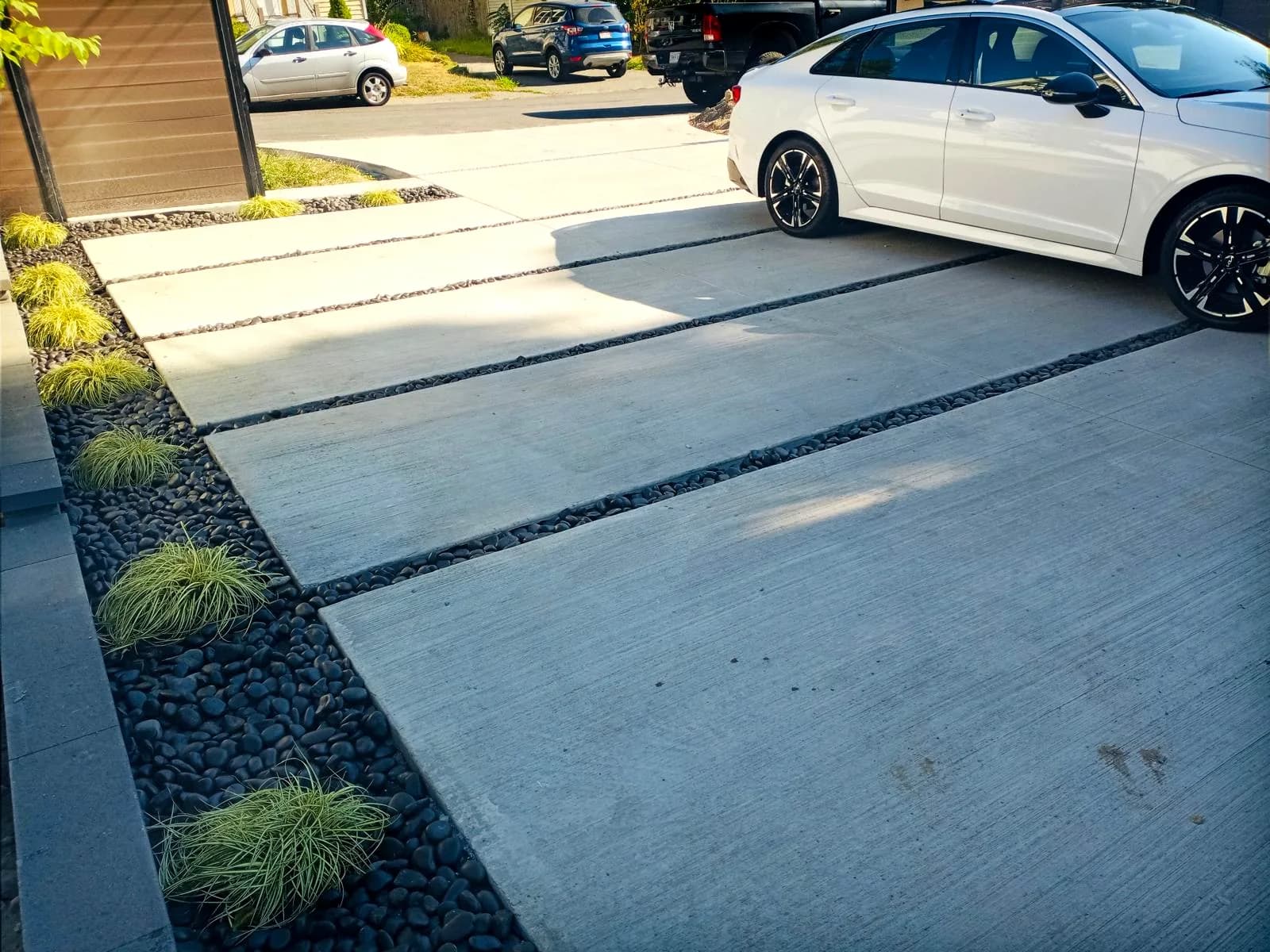
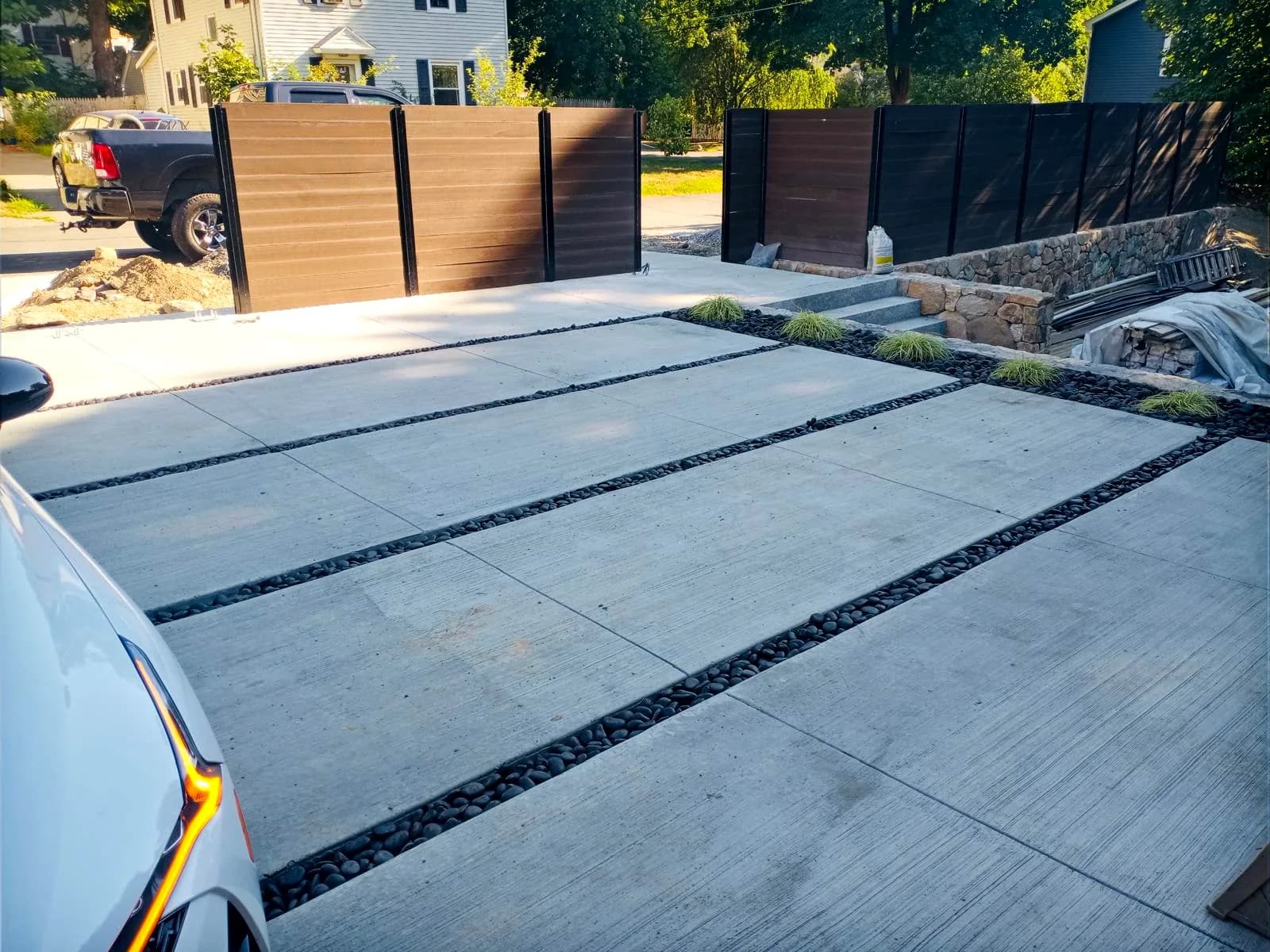
Modern concrete driveway featuring a river-rock accent strip along the edge

Concrete Driveways · Massachusetts

Concrete Driveways Built to Handle Massachusetts Winters

Driveways, aprons and curbs poured on a properly compacted base, with the broom finish or modern river-rock detailing to match the house.

The short answer

Who pours concrete driveways in Massachusetts?

WR Concrete pours driveways, aprons, curbs and edging for homeowners across Massachusetts, based in Marlborough. Every driveway is built on a compacted base with a finish and mix suited to New England freeze-thaw winters, and every project starts with a free estimate so homeowners know exactly what the job involves before work begins.
  • Fully insured: general liability and workers' compensation
  • Free estimates on every driveway, apron and curb project
  • Air-entrained concrete mix is recommended for Massachusetts freeze-thaw cycles
  • Based in Marlborough, MA, serving all of Massachusetts

Concrete Driveways

Concrete Driveways built to last in New England

A concrete driveway takes more abuse than almost any other pour on a property: vehicle weight every day, de-icing salt all winter, and repeated freezing and thawing for months at a time. WR Concrete pours driveways, aprons, curbs and edging across Massachusetts with that reality built into every step, from how the base gets compacted to what finish goes on top.

Some homeowners want a classic broom finish that sheds water and holds up to salt without much fuss. Others want something that looks more intentional, like a driveway with a river-rock landscaping strip running alongside the concrete, breaking up the surface and tying into the yard around it. Either way, the base prep underneath doesn't change: it still has to be compacted right, graded to shed water away from the garage, and poured with a mix that can take a New England winter.

What is included

  • Full concrete driveway replacement and new driveway pours
  • Driveway aprons connecting to the street or garage
  • Concrete curbs and edging
  • Broom finish and modern design options, including river-rock accent strips
  • Base excavation and compaction before any concrete is placed
  • Control joint layout to manage cracking
  • Grading for proper drainage away from the garage and foundation
(774) 606-6807

Square forms, clean edges, a careful finish and a job site left clean.

Base compaction and grading come before the concrete

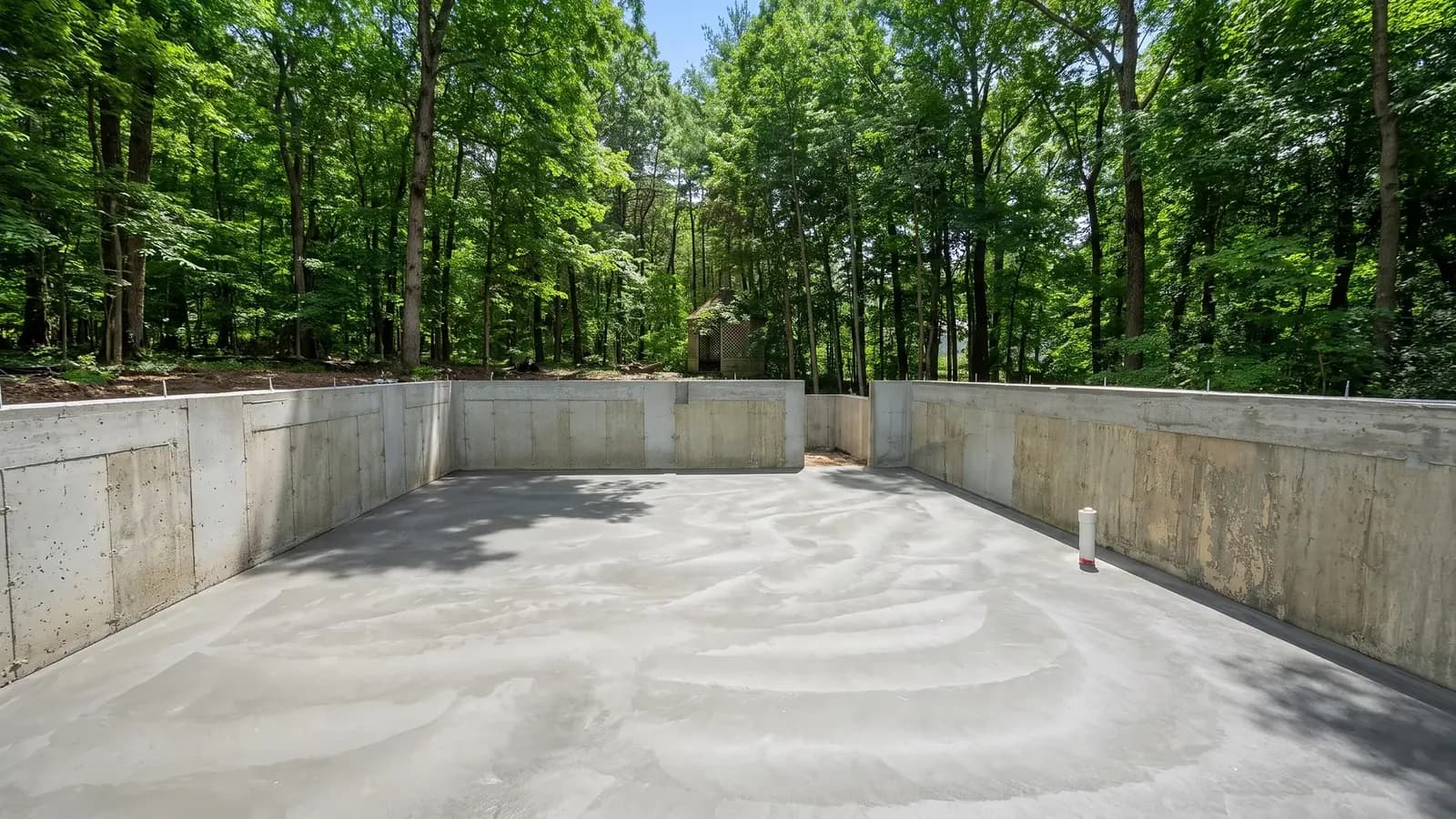
A driveway is only as good as what's underneath it. The sub-base gets excavated to the right depth, filled with a compactable gravel base, and compacted in passes so there are no soft spots waiting to settle under the weight of a car over time. Grading matters just as much: the driveway needs a slight pitch that moves water away from the garage door and the foundation instead of letting it pool or run toward the house.

On sites where the existing grade doesn't drain well, or where an old driveway has been settling unevenly for years, more excavation and fill work goes into getting the base right before the new pour goes in. Skipping this step to save a day of work is the most common reason a driveway cracks, settles, or ends up with standing water after rain.

Air-entrained concrete for freeze-thaw survival

Massachusetts driveways go through dozens of freeze-thaw cycles every winter, and water that gets into the surface of the concrete expands when it freezes. Air-entrained concrete, which has microscopic air bubbles mixed into it, gives that water somewhere to go instead of cracking the surface apart from the inside. This is standard practice for exterior concrete in New England and matters more on a driveway than almost anywhere else on the property, since it's exposed and taking vehicle weight at the same time.

Control joints, cut or formed into the driveway at regular intervals, give the concrete planned places to crack as it shrinks slightly during curing, instead of cracking randomly across the surface. A new driveway should stay off de-icing salt for its first winter while the concrete fully cures, since salt applied too early can accelerate surface damage on concrete that hasn't reached full strength yet.

Broom finish versus modern driveway designs

A broom finish is the standard for Massachusetts driveways because it's simple, durable, and gives the surface enough texture to stay safe underfoot and under tire in rain, snow and ice. It's a finish that's stood up to decades of New England winters for a reason.

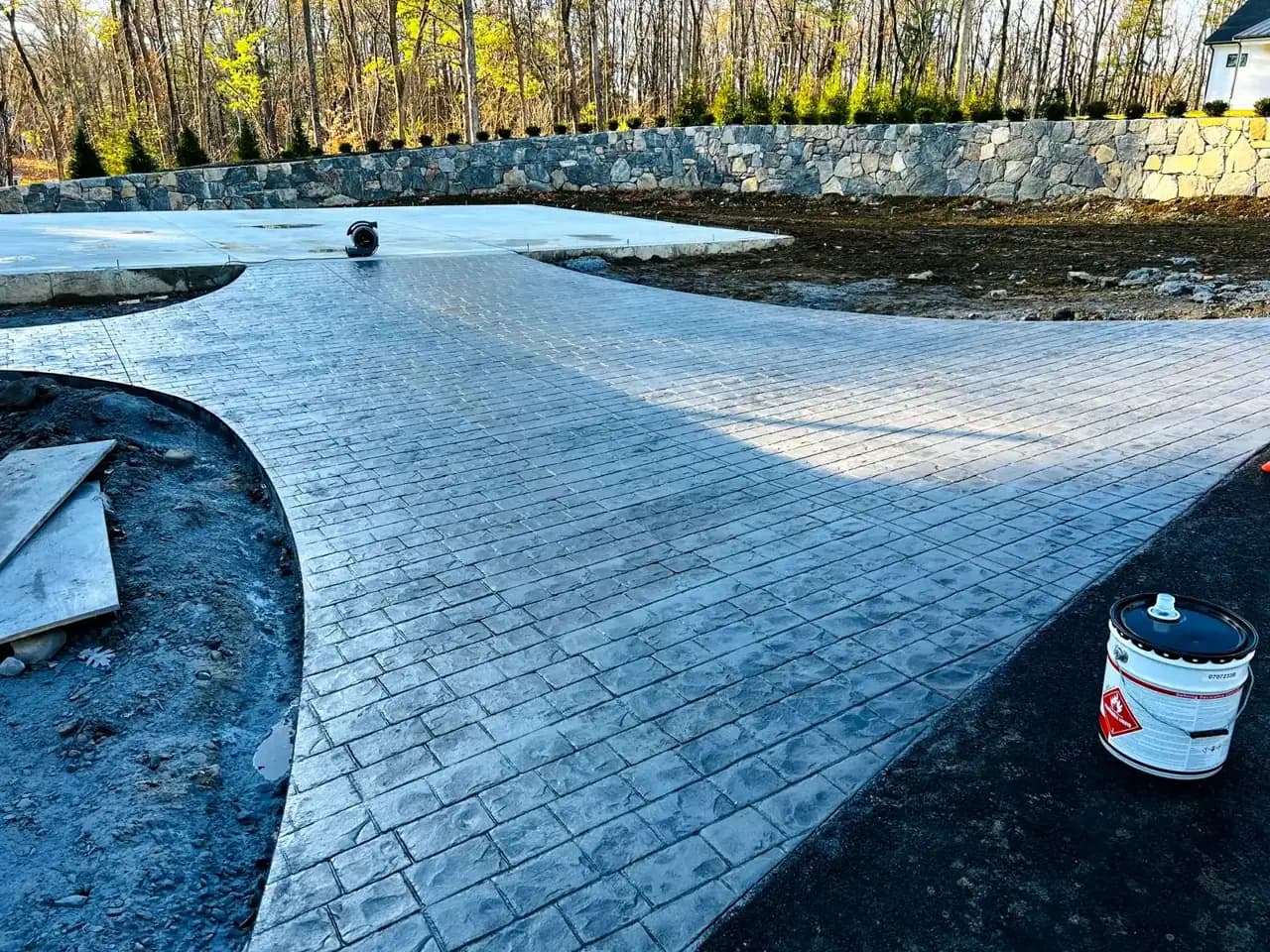
For homeowners who want the driveway to do more than just function, a river-rock accent strip along the edge of the concrete, or a curb detail that frames the driveway cleanly, adds a modern look without changing how the slab performs. These design choices get worked out during the free estimate, based on the house and the yard, not applied the same way to every driveway.

How it works

Our concrete driveways process

01

Free Estimate and Design Walkthrough

The free estimate covers the existing grade and drainage, and talks through finish options, from a classic broom finish to a river-rock accent design.

02

Excavate, Grade and Form

The old driveway or base is removed if needed, the site is excavated and graded to shed water properly, and forms go in to define the final shape and edges.

03

Pour and Finish

Concrete is placed, control joints are laid out, and the surface is finished, broom, or detailed with accent elements depending on what was planned.

04

Cure, Cleanup and Walkthrough

The driveway cures before taking vehicle weight, the job site is cleaned up, and the crew walks the finished driveway with the homeowner, including care for the first winter.

Real WR Concrete work

Concrete Driveways from our job sites

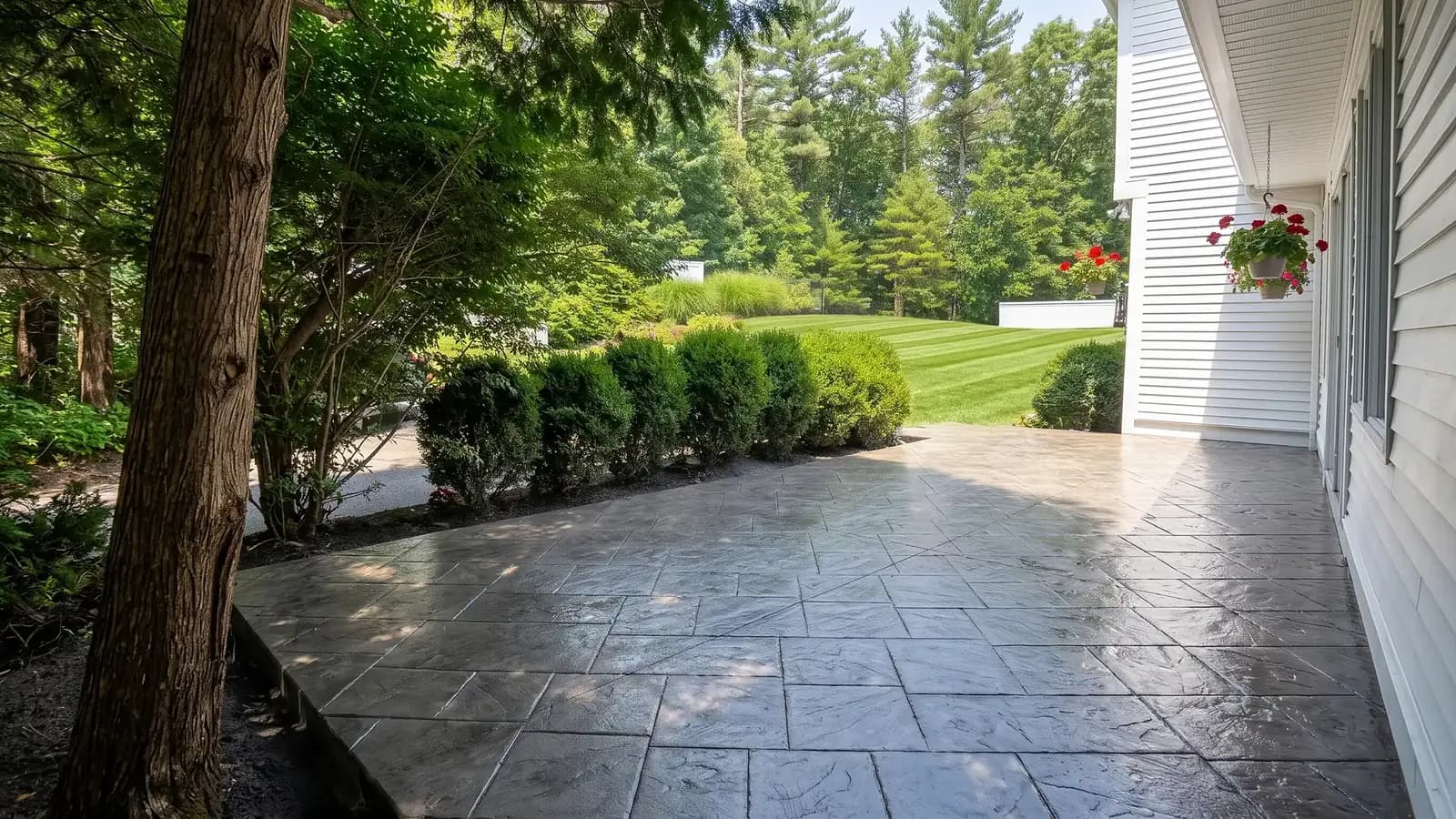
Modern concrete slab driveway with river-rock landscaping along the border
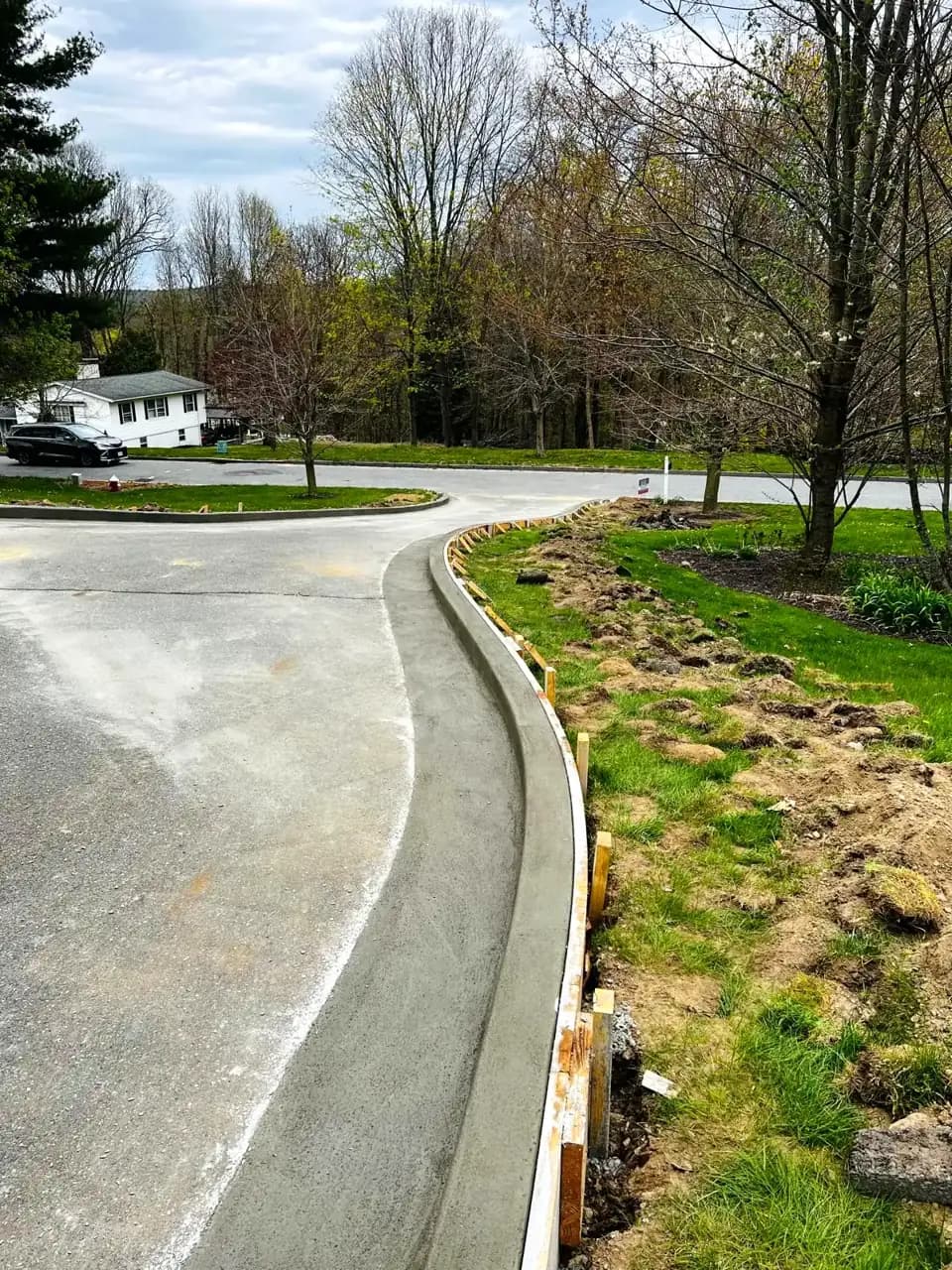
Newly poured concrete curb and driveway edging detail
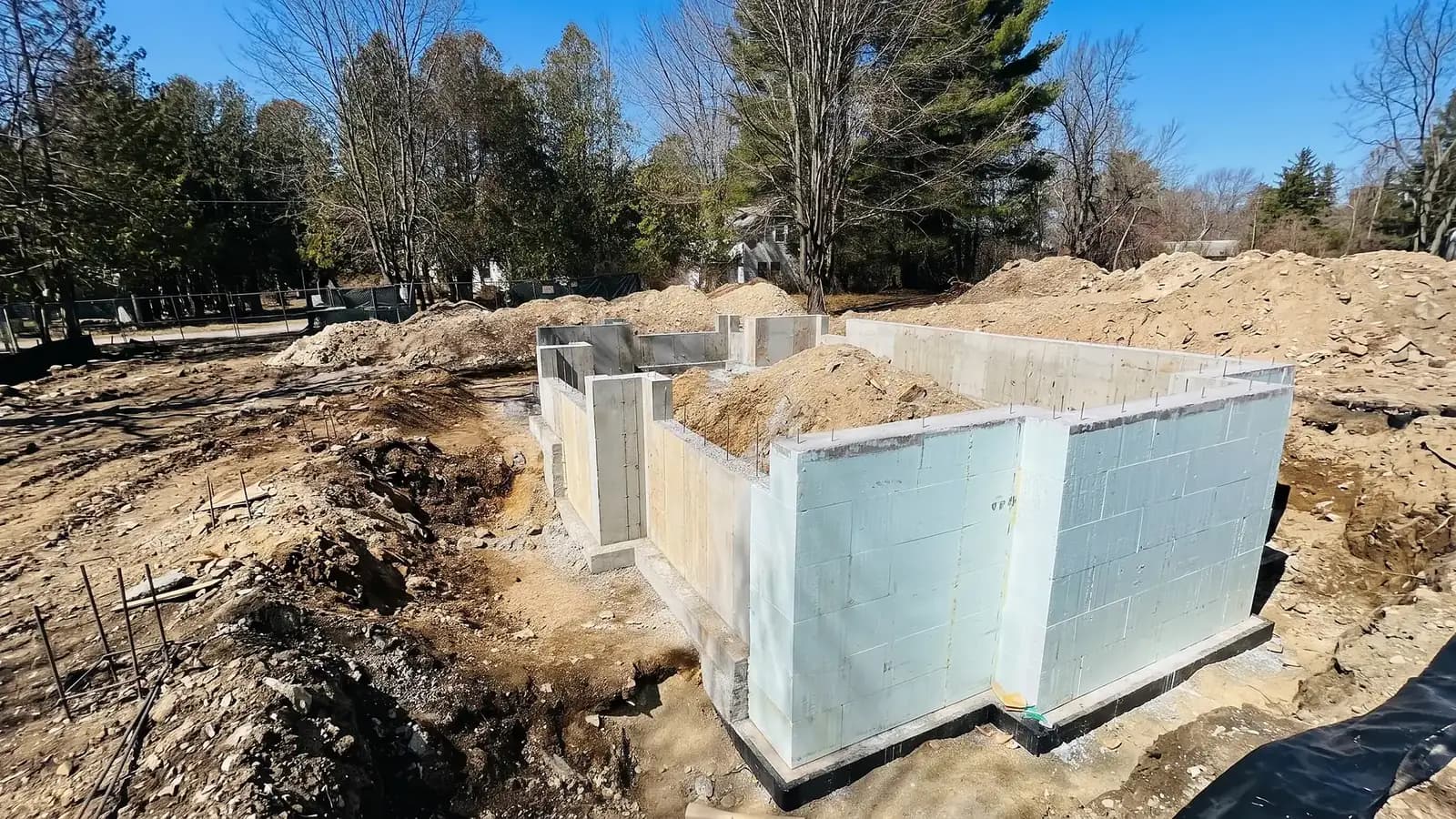
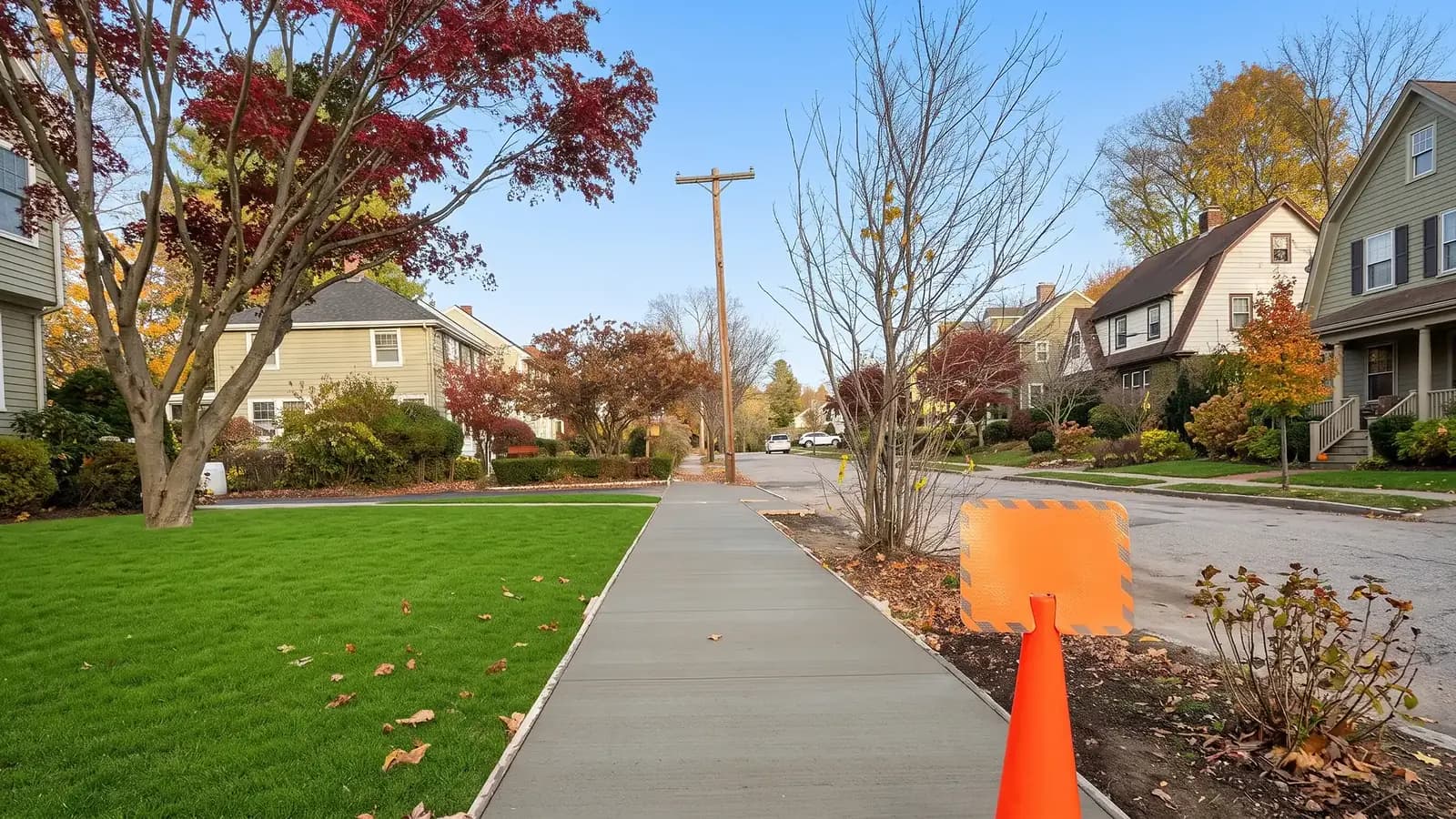
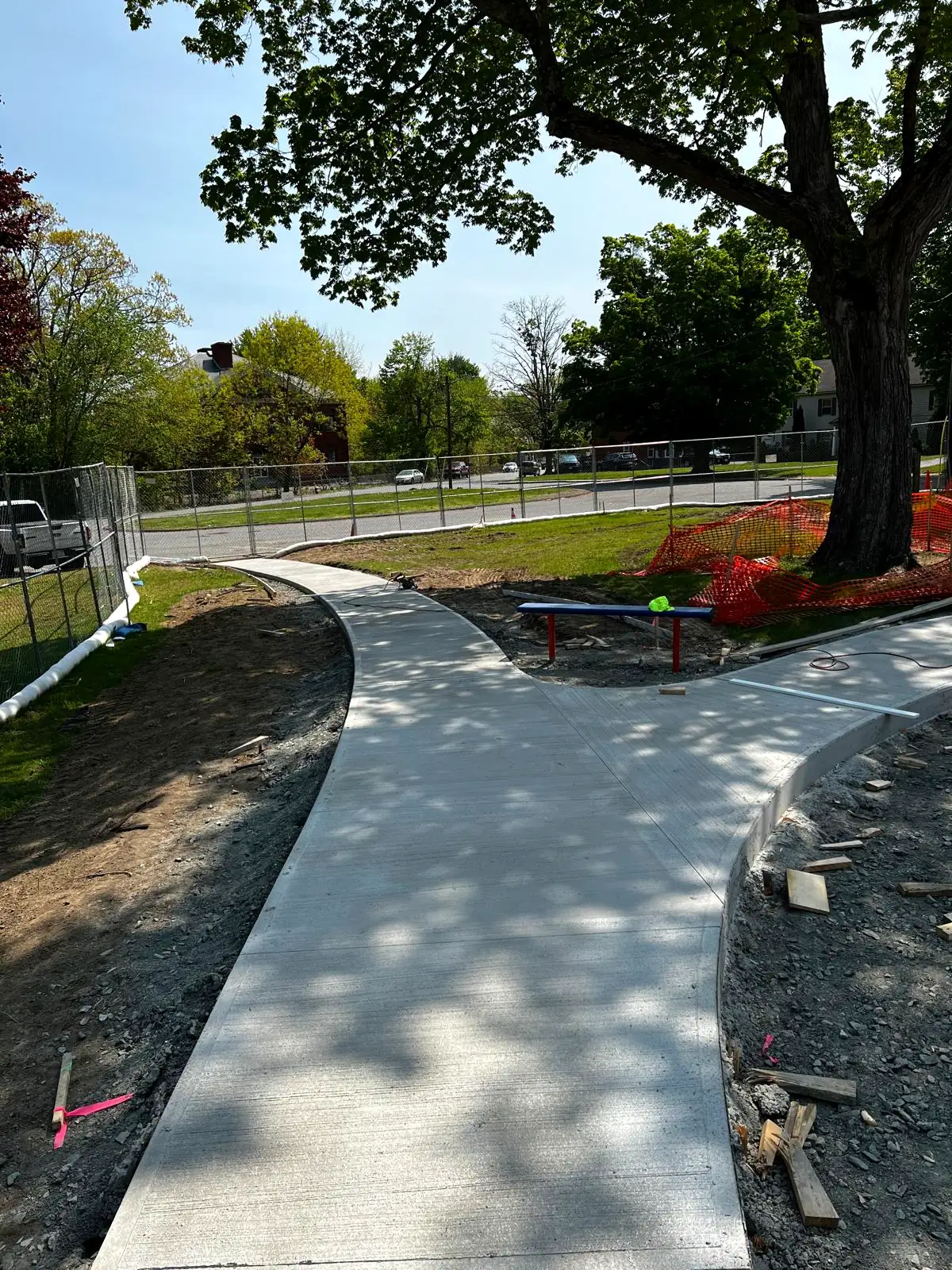
Concrete driveway and curb under construction before final finish

Concrete Driveways: common questions

New concrete is typically walkable within 24 to 48 hours, but it needs more time before handling vehicle weight, often around 7 days for light use and longer to reach full strength. Driving on it too soon, especially in cold weather, can leave marks or weaken the surface.
Air-entrained concrete has tiny air bubbles mixed in that give water room to expand when it freezes, instead of cracking the surface apart. Massachusetts driveways go through many freeze-thaw cycles each winter, so this mix is standard for exterior pours here and helps the driveway last through repeated New England winters.
It's best to avoid de-icing salt on a brand-new driveway through its first winter while the concrete finishes curing. Salt applied too early can speed up surface wear on concrete that hasn't reached full strength yet. After that first season, a properly mixed and finished driveway handles salt exposure much better.
Cost depends on the size of the driveway, how much base prep and excavation the site needs, and the finish chosen, with a plain broom finish typically costing less than a design with accent strips or curbing. Most homeowners see a wide range depending on these factors. WR Concrete provides a free estimate based on the details of your project.
Yes. Concrete curbs and edging can be poured along a driveway to define the edges cleanly, keep landscaping material in place, and give the whole driveway a more finished look. This is often discussed alongside the main driveway pour during the free estimate.

Service areas

Concrete Driveways across Massachusetts

Based in Marlborough. Choose your town for local details.