
7 Signs Your Concrete Driveway, Walkway, or Steps Need Replacing (Not Just Repair)
· By Wesley Martins da Rocha
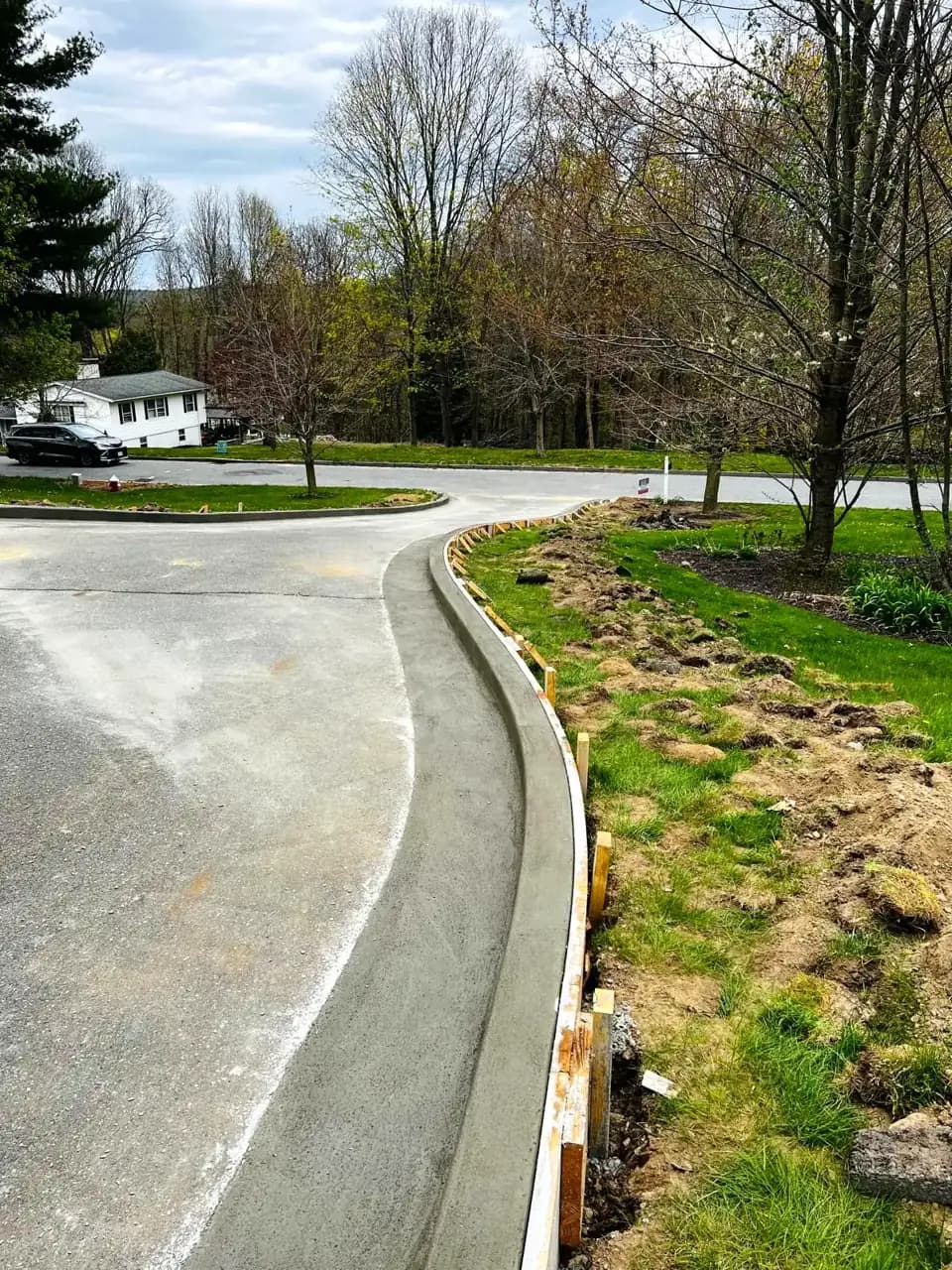
When a concrete driveway, walkway, or set of steps starts showing damage, the question every homeowner eventually runs into is whether it needs a repair or a full replacement. From a few feet away, a hairline crack and a structural crack can look almost the same. The difference is in how they behave over time: whether they are growing, whether one side has shifted higher than the other, and what is happening underneath the slab that you cannot see from the surface.
This guide walks through seven signs that usually point to replacement instead of a patch job, plus how Massachusetts winters speed up concrete damage through salt and the freeze thaw cycle. If you are not sure which category your concrete falls into, WR Concrete offers a free estimate that takes into account the slab, the base underneath it, and the drainage around it before recommending anything.
Hairline Cracks vs Structural Cracks
Hairline cracks are the thin, often web-like lines that show up in the first year or two after a slab is poured. They come from normal shrinkage as the concrete cures and are usually cosmetic: they do not widen, they do not shift, and they rarely let in enough water to cause real damage. Most homeowners can leave these alone or seal them during routine maintenance.
Structural cracks behave differently. They tend to run wider than about a quarter inch, continue to open up season after season, or create a visible step where one side of the crack sits higher than the other. A crack that crosses a control joint at an angle, or several cracks radiating out from one spot, usually means the base or the soil underneath has shifted. Patching the surface does not fix a slab that is still moving, which is the main reason a crack like this keeps coming back no matter how many times it gets filled.
Heaving and Settling: When the Ground Underneath Moves
Frost heave happens when moisture in the soil beneath a slab freezes and expands, pushing sections of concrete upward unevenly. It is common across Massachusetts because of how many freeze thaw cycles a typical winter brings. The result is a driveway or walkway with a noticeable hump or a section that sits higher than the rest, even though nothing cracked.
Settling is the opposite problem: poor compaction under the original slab, erosion from runoff, or a void that opened up under the concrete over the years causes a section to sink. You will often see this near a garage apron, at the edge of a walkway, or anywhere water tends to collect and wash soil out from under the edge of the slab.
Once the sub-base under a slab has failed in either direction, resurfacing or patching is just adding a new layer on top of a problem that is still active. The fix has to start below the surface, which is typically a full tear-out and repour with proper base compaction.
Spalling and Scaling from Winter Salt
Spalling is when chunks of the concrete surface flake or pop off, often exposing the aggregate underneath. Scaling looks different: a thin, flaky layer peels away across a broader area, leaving a rough, pitted surface. Both are accelerated by deicing salt combined with the freeze thaw cycle, especially on older concrete that was not poured with air-entrained mix or that never got sealed.
A little bit of surface scaling in one corner of a driveway is often something a resurfacing overlay can smooth back out, as long as the slab underneath is still sound. Spalling that covers a large section, or that keeps reappearing after sealing, usually means water has worked its way deeper into the slab and the damage is more than skin deep.
Trip Hazards and Uneven Joints
A walkway or set of steps where one panel sits noticeably higher than the panel next to it is not just a cosmetic issue, it is a safety issue. Even a difference of an inch or so is enough to catch a toe, especially for kids, guests, or anyone carrying something up the front walk in the dark.
A single uneven joint can sometimes be ground down or mudjacked back into place. But when several panels around the property have drifted out of alignment, that pattern usually points to widespread base failure rather than one isolated spot, and it is worth having the whole walkway or driveway looked at instead of fixing one panel at a time.
Drainage That Pushes Water Toward the House
Concrete is supposed to slope away from the house so rain and melting snow run off toward the yard or the street. Over years of settling, a driveway or walkway can lose that slope and start tipping back toward the foundation instead. The telltale signs are water pooling near the garage door, damp patches along the foundation after a storm, or ice forming in the exact same spot every winter.
This is a grading problem, not a surface problem, so a sealant or a thin resurfacing layer will not change the slope underneath it. If water is heading toward the house instead of away from it, that section of concrete typically needs to come out so the base can be rebuilt with the right pitch.
Steps That Are Crumbling or Pulling Away from the House
Concrete steps take more abuse than almost any other part of a property: constant foot traffic, de-icing salt, and water runoff all concentrate on a small surface. Crumbling treads, a nosing that is breaking off, or risers that are no longer an even height are all signs the steps have moved past normal wear.
A separation crack where the steps pull away from the stoop or the house is a particularly clear sign, since it usually means the steps have settled independently of the structure they are attached to. If you can see exposed, rusting rebar or wire mesh inside the crack, resurfacing will not hold, and the steps need to be rebuilt.
When Resurfacing Works, and When It Does Not
Resurfacing makes sense when the slab underneath is structurally sound and the damage is limited to the surface: light scaling, discoloration, minor pitting, or hairline cracking that is not changing. Because an overlay is a thin layer bonded to the existing concrete, it only performs as well as the slab it is sitting on.
Resurfacing is not the right fix for structural cracks, heaving, settling, a negative drainage slope, or crumbling steps, because the real problem is still happening underneath the new layer. In those cases, a fresh overlay often cracks again within a season or two, which ends up costing more than doing the tear-out the first time.
The only reliable way to know which category your concrete falls into is a careful look at the crack pattern, the base, and the drainage around it. WR Concrete offers a free estimate across Massachusetts based on the details of your project before recommending a resurfacing overlay or a full replacement. Call (774) 606-6807 or request a free estimate online to get a straight read on your driveway, walkway, or steps.
Frequently asked questions
- Can a cracked driveway just be sealed instead of replaced?
- Sometimes. Sealing protects a crack from water and salt, and it can work well on a hairline crack that is not changing. A crack that keeps widening, has a visible step between the two sides, or is tied to a sinking section needs more than a sealant, since the sealant does not address whatever is moving underneath.
- How long does concrete usually last before it needs replacing?
- A lot of driveways, walkways, and steps across Massachusetts hold up for decades, but the number varies with the original base preparation, how much water drains away from the slab, and how much deicing salt it sees each winter. Concrete poured on a well-compacted base with good drainage generally lasts far longer than concrete poured without those basics in place.
- Is resurfacing cheaper than full replacement?
- As a rough guide, resurfacing typically costs less than a full tear-out and repour, since it skips demolition, disposal, and rebuilding the base. That only pays off if the slab underneath is structurally sound. Resurfacing a slab that is actually failing underneath usually means paying for the overlay and then paying again for the replacement a season or two later.
- Why does my concrete crack more in the winter?
- Massachusetts winters bring repeated freeze thaw cycles, where water that has worked into tiny pores or existing cracks freezes, expands, and pushes the concrete apart from the inside. Deicing salt makes this worse by drawing more moisture into the surface. Concrete that is not air-entrained or properly sealed tends to show this damage faster than concrete built with winter conditions in mind.
- Does a sinking driveway or walkway mean my foundation is at risk?
- Not necessarily. A driveway or walkway settling is usually about the soil and base under that specific slab rather than the foundation itself. That said, if the settling is right up against the house and is now pushing water toward the foundation, it is worth having both the concrete and the drainage around the foundation looked at together.
- What's the first step if I think my concrete needs replacing?
- Get a free estimate that takes into account the actual crack pattern, whether the slab is level, and where water is draining. That assessment is what determines whether resurfacing will hold up or whether the section needs to be removed and repoured. WR Concrete provides free estimates across Massachusetts; call (774) 606-6807 or request one online.
Found this helpful? Make us a preferred source on Google.
Ready for an exact price?
Get a free, no-pressure in-home estimate. Real numbers for your home, not a phone guess.